Benfica open to buying 16% stake at market price. Values itself at over 1 billion
Benfica says it could buy a16% stake held by José António dos Santos, but only at market prices, as the club values itself at over €1 billion.
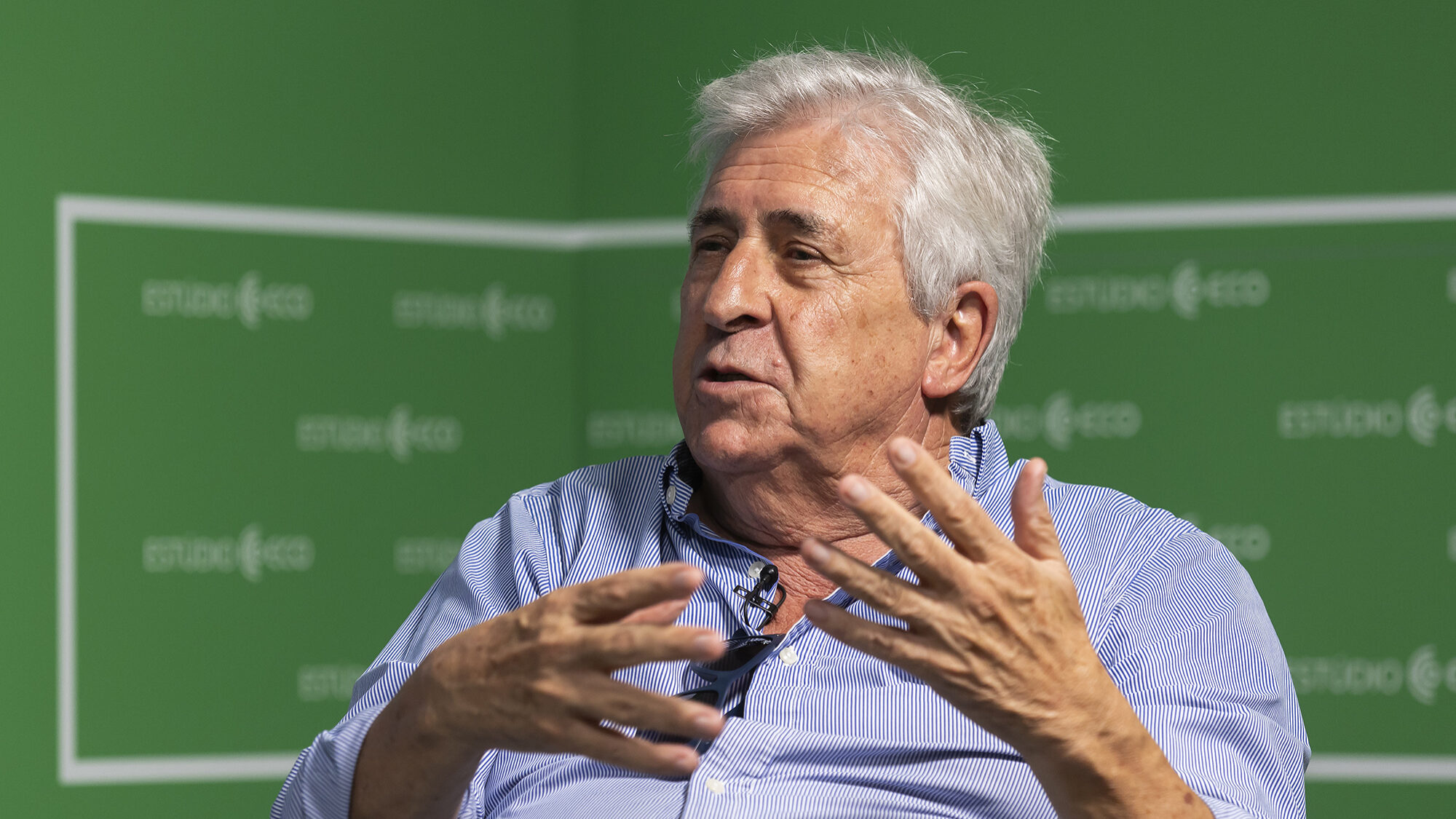
Benfica is open to buying the more than 16% stake in Benfica SAD held by José António dos Santos and Grupo Valouro, but only at market prices, the club’s vice-president and chief financial officer Nuno Catarino told ECO in an interview. The issue could reshape the shareholder structure of one of Portugal’s biggest football businesses, whose executive says the club would be worth more than €1 billion under traditional valuation metrics.
Catarino said Benfica could not offer preferential terms to a single shareholder and that any purchase would have to reflect the company’s real value. He added that the seller appears to have a different view on valuation, which makes a deal harder. He also said that if the club bought the stake at the higher prices being discussed, it would likely have to launch a takeover bid and find €100 million.
On the failed attempt by Tim Leiweke’s Entrepreneurial Equity Partners to buy the 16% stake, Catarino said Benfica stepped in after being notified of the plan under its statutes. He said the club insisted on due diligence and on compliance with its rules, after which the investor group dropped the deal. Catarino said the group may have concluded it would be difficult to meet those requirements or to put in place enough mitigants.
Catarino also said Benfica’s valuation would be above €1 billion if assessed using traditional metrics, although he argued that standard models do not fully capture the club’s member-based structure and broader identity. He said Benfica still uses operating metrics to compare itself with other clubs, given the competitive nature of player transfers and wages.
With no FIFA Club World Cup and lower Champions League revenue, Benfica’s profits have dropped
Benfica’s SAD recorded profits of 19.1 million euros in the 2025–2026 season, a 44% reduction compared with the previous season, which was mainly due to the cancellation of the FIFA Club World Cup and a below-par performance in the Champions League. Liabilities exceeded €500 million, but this did not prevent an improvement in equity.
At an operational level, had it not been for the €47.4 million in proceeds from player transfers, Benfica would have recorded losses of around €15 million.
Even so, the ‘Eagles’ SAD saw growth in revenue from recurring operations, with television and matchday revenue standing out, generating record figures of 55.7 million and 45.2 million euros, respectively.
With regard to television rights, Benfica attributes this growth to the increases provided for in the contract signed with the broadcaster Nos – which was renewed for a further two seasons, until the 2027–2028 season, for over 100 million – and to the growth in stadium advertising.
Operating revenue, excluding players’ rights, reached 214.4 million euros, down 7% on the previous season, in which the SAD had recorded its highest figure ever.
This decline, explains Benfica, was due to a Champions League performance that fell short of the previous year’s – generating 53 million euros up to the round of 16 – less than the 70 million from the previous season – and the absence of the Club World Cup.
“We’ve had a very solid track record, with record growth across various revenue streams”, emphasised the vice-chairman and chief financial officer of SAD, Nuno Catarino, in an interview with ECO.
“It wasn’t an easy season from a sporting perspective; in other words, we weren’t able to rally the supporters, nor was there any scope for growth. Even so, the work has been done; we have achieved significant growth on the corporate side, and we have managed to increase current revenue whilst maintaining cost stability”, he noted.
As for operating expenses excluding players’ salaries, these rose by 1.2% to 229.4 million, “a change almost entirely attributable to the increase in impairment charges”.
Liabilities stood at 513.9 million euros at the end of June, up by almost 40 million compared with the previous financial year, “due to an increase in liabilities to suppliers”.
Nuno Catarino acknowledged that exceeding this “mythical milestone” is impressive, but emphasised that assets had grown even further to 650 million, whilst net debt had fallen by more than 10 million to 184.9 million.
“What ultimately matters, even in terms of the company’s own financial costs, is net debt. Net debt is where we reconcile the accounts”, explained the finance director.
He also highlighted the rise in equity for the second year running, with net assets improving to 135 million.
Originally published at Eco.pt