Shipping disruption to persist after Hormuz reopening
Shipping operators told that freight rates are likely to stay high for months even if the Strait of Hormuz fully reopens this week.
Maritime transport of energy and goods will take several months to return to normal after the conflict involving Iran, with freight rates likely to remain elevated even if the Strait of Hormuz fully reopens by the end of this week, shipping operators told ECOnews. The issue matters for companies trading with Europe and Asia because carriers say lower fuel surcharges alone will not quickly reverse broader disruption to routes, insurance and vessel scheduling.
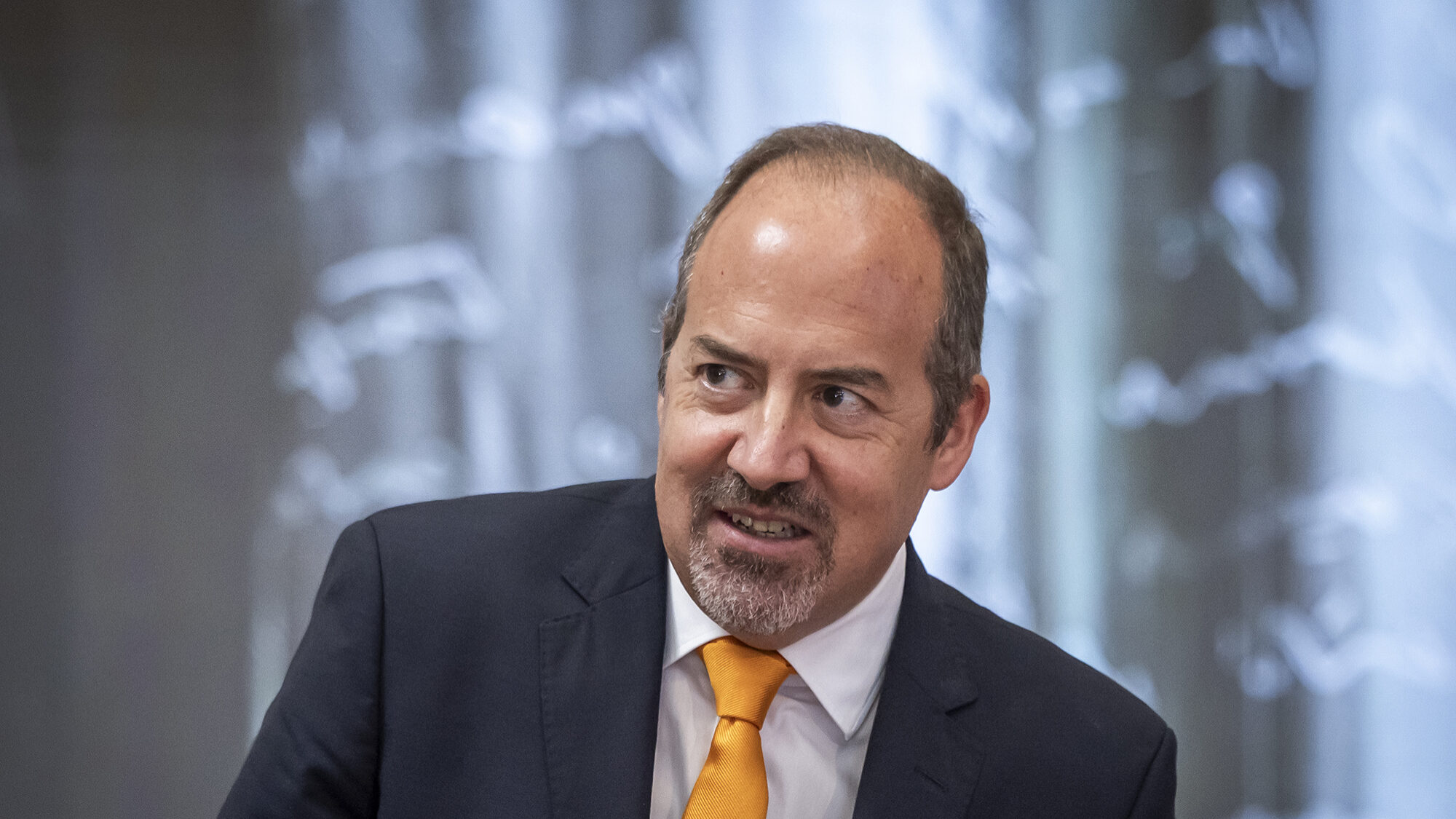
António Belmar da Costa, secretary-general of AGEPOR, the Portuguese association of shipping agents, said a full recovery in oil shipping could take three to five months. He said cargo shipping could resume once the strait is open, but added that he does not expect freight prices to fall sharply: fuel surcharges may ease, “but freights will not”. He also said the agreement was positive but did not yet provide “absolute confidence” for operators.
Mário de Sousa, chief executive of Portocargo, said reopening the waterway would not by itself undo the dislocation created during the conflict. He pointed to rerouted ships, different transhipment ports, heavier use of the Cape of Good Hope route, container repositioning, congestion at hubs and continued insurance and security concerns. In his view, routes, freight rates, insurance costs and schedules should only normalise over several months, assuming there are no new military incidents or security restrictions.
Helder Martins, country manager for air and sea at Torrestir Transitários, said the peace deal should help global maritime trade, but geopolitical uncertainty would remain and war-risk insurance and other operating costs should stay high for some time. He said the market was likely to stabilise first at high freight levels, with a slower normalisation over the next two to three months in both rates and available capacity.
The caution extends beyond Portuguese operators. ECOnews reports that Mitsui O.S.K. Lines executive Jotaro Tamura told the Financial Times that shipowners would not resume Hormuz transits for several weeks until they were confident any US-Iran agreement was solid and lasting. S&P Global also said in a new report that it expects only a gradual recovery in shipping and energy flows through the strait until a final agreement is reached.
Originally published at Eco.pt