Portugal to unveil 750 MW battery auction on June 29
Portugal will publish details of a 750 MW battery storage auction on June 29, alongside a national storage strategy, in a move relevant to energy investors and grid planning.
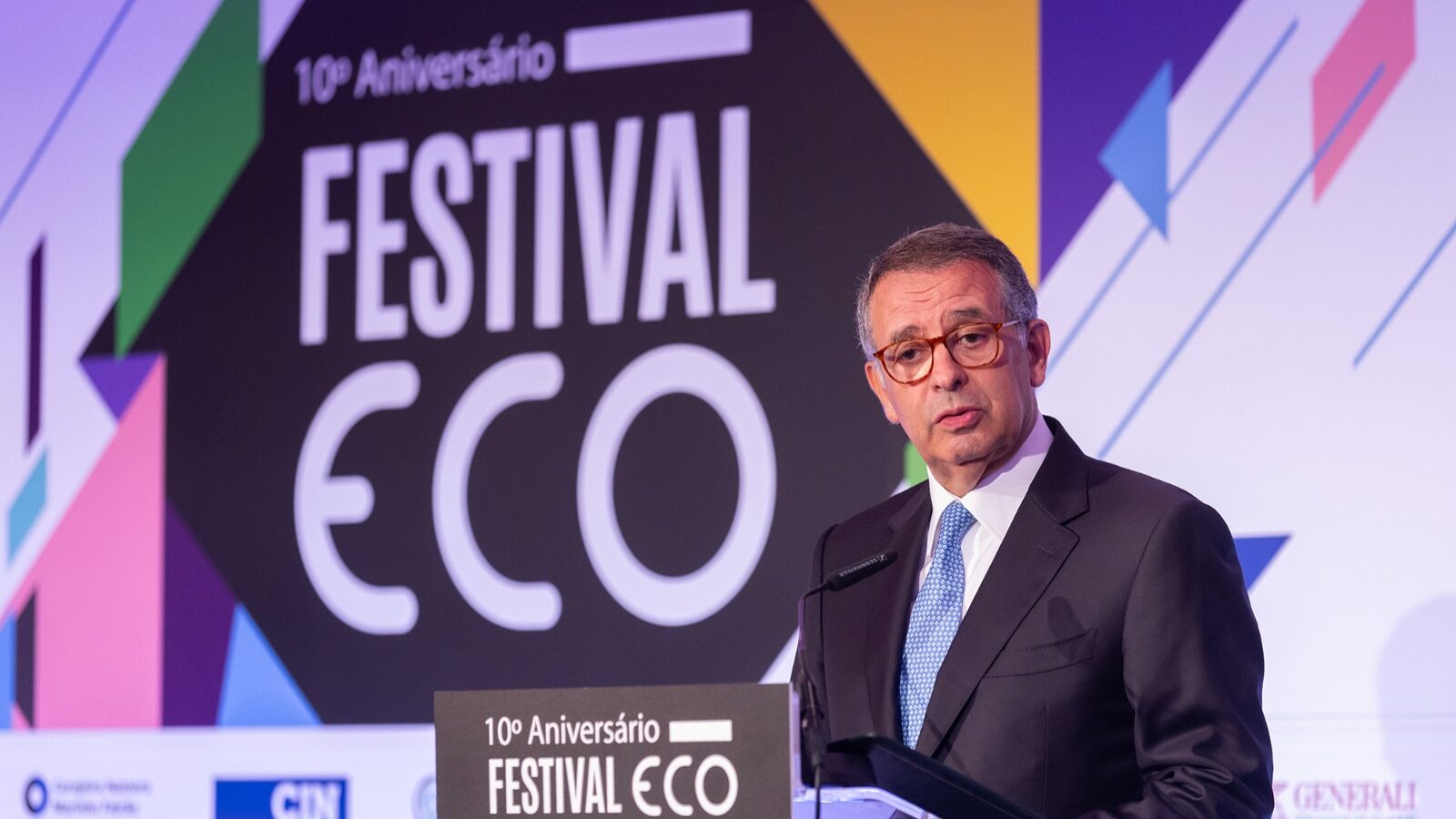
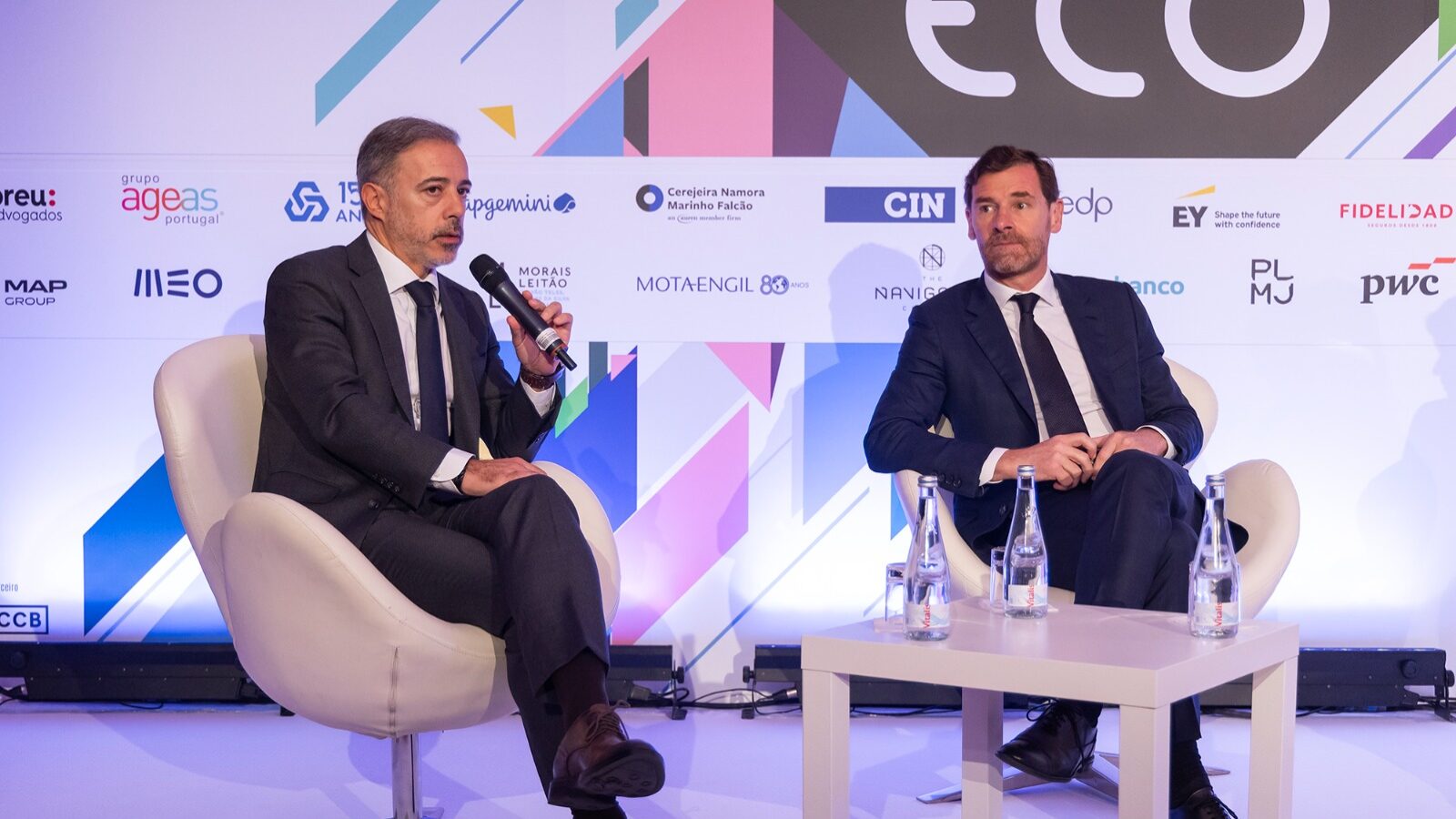
Portugal’s government will publish on June 29 the model, timetable and grid connection points for a competitive auction covering 750 megawatts of battery capacity. The announcement was made by Energy Minister Maria da Graça Carvalho at the “Energia que Move o País” (Energy that moves the country, in English) conference organised by ECO/Capital Verde.
On the same day, the government will also launch a public consultation on the National Energy Storage Strategy. Carvalho said a core element of that strategy is the formal recognition of the role of electrochemical batteries and pumped hydro storage, with pumped hydro to be treated as a strategic asset for Portugal.
The minister said one of the auction criteria will be compensation for municipalities through a sharing of revenue generated by the activity of power generation centres. She said the government wants to ensure the projects resulting from the auction benefit the national electricity system, decarbonisation goals, energy sovereignty and the communities where they are installed.
Carvalho also said the government is preparing, together with the regulator, medium and long-term contracting mechanisms, including contracts for difference. She said these tools should improve price visibility, revenue stability and system resilience, and would be particularly relevant for technologies involving higher risk and investment, such as wind power.
Separately, the minister gave an update on Portugal’s transposition of the EU Renewable Energy Directive RED III. She said two of the three implementing decrees should soon go to the Council of Ministers, while a third, covering the national electricity system, is awaiting promulgation by the president and includes the concept of “overriding public interest” for renewable generation and storage projects.
Originally published at Eco.pt