Free public transport gains ground in Portuguese cities
More Portuguese municipalities are moving toward free public transport, with Porto and Viseu expanding the trend as local leaders debate cost and regional impact.
Free public transport is gaining momentum in Portugal, with Porto and Viseu joining a trend that began in Cascais and is now spreading to more municipalities. The shift matters for residents, transport operators and local budgets as city halls test whether fare-free travel can increase public transport use and ease traffic pressure.
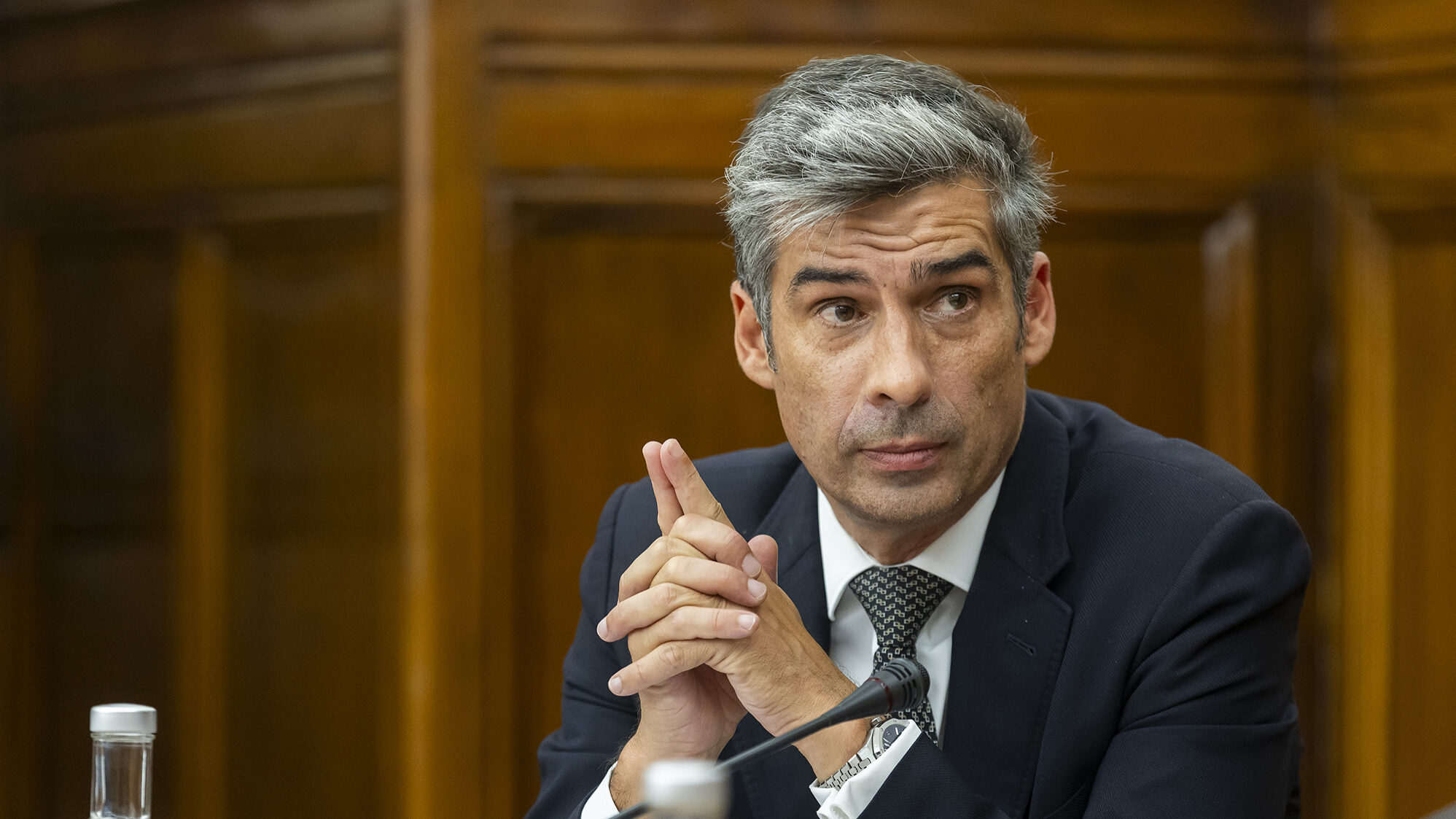
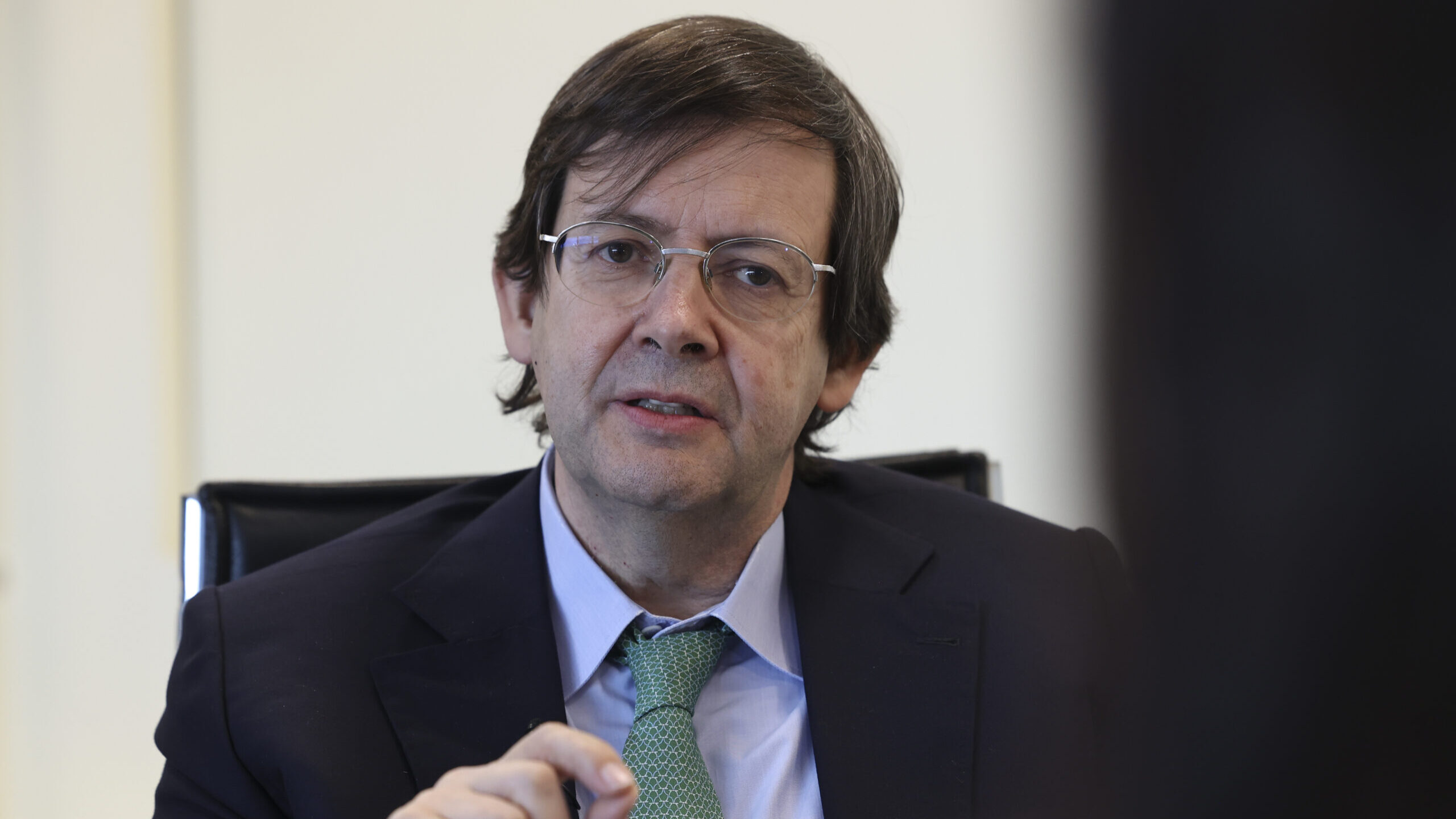
In Porto, mayor Pedro Duarte has proposed allowing city residents to travel across the wider Porto Metropolitan Area without paying, covering routes from Oliveira de Azeméis to Póvoa de Varzim and from Vila Nova de Gaia to Paredes and Arouca. The plan still needs approval from Portugal’s audit court, Tribunal de Contas, and carries an estimated annual cost of €20.5 million.
The proposal has triggered debate among other mayors in the metropolitan area. Matosinhos mayor Luísa Salgueiro said the measure should be part of a broader regional strategy, arguing that applying it only to Porto residents would have limited impact on traffic. Vila do Conde mayor Vítor Costa also called for a coordinated approach involving all 17 municipalities, citing territorial fairness, financial sustainability and the need to maintain a strong transport offering.
Elsewhere, Viseu approved free public transport for all residents on Thursday, at an annual cost of €1 million, extending a benefit already available to people under 23, over 65 and former military personnel. Guimarães also wants to introduce free municipal bus transport by the end of this year, while Braga has so far opted for a 14% fare cut rather than full fare abolition.
Portugal already has several models in place, from fully free local systems in Cascais and Loulé to discounted regional passes in areas such as Oeste and Alentejo. National policy has so far leaned more toward fare integration and targeted support, including free travel for people up to 23 in the regions where they live, work or study, rather than universal free transport nationwide.
Originally published at Eco.pt