Centeno says Frankfurt and Brussels must “coordinate policies” in response to US tariffs
In the race for ECB vice-president, former Bank of Portugal governor argues that European institutions must coordinate monetary, fiscal and competition policies to respond to the threat posed by Trump
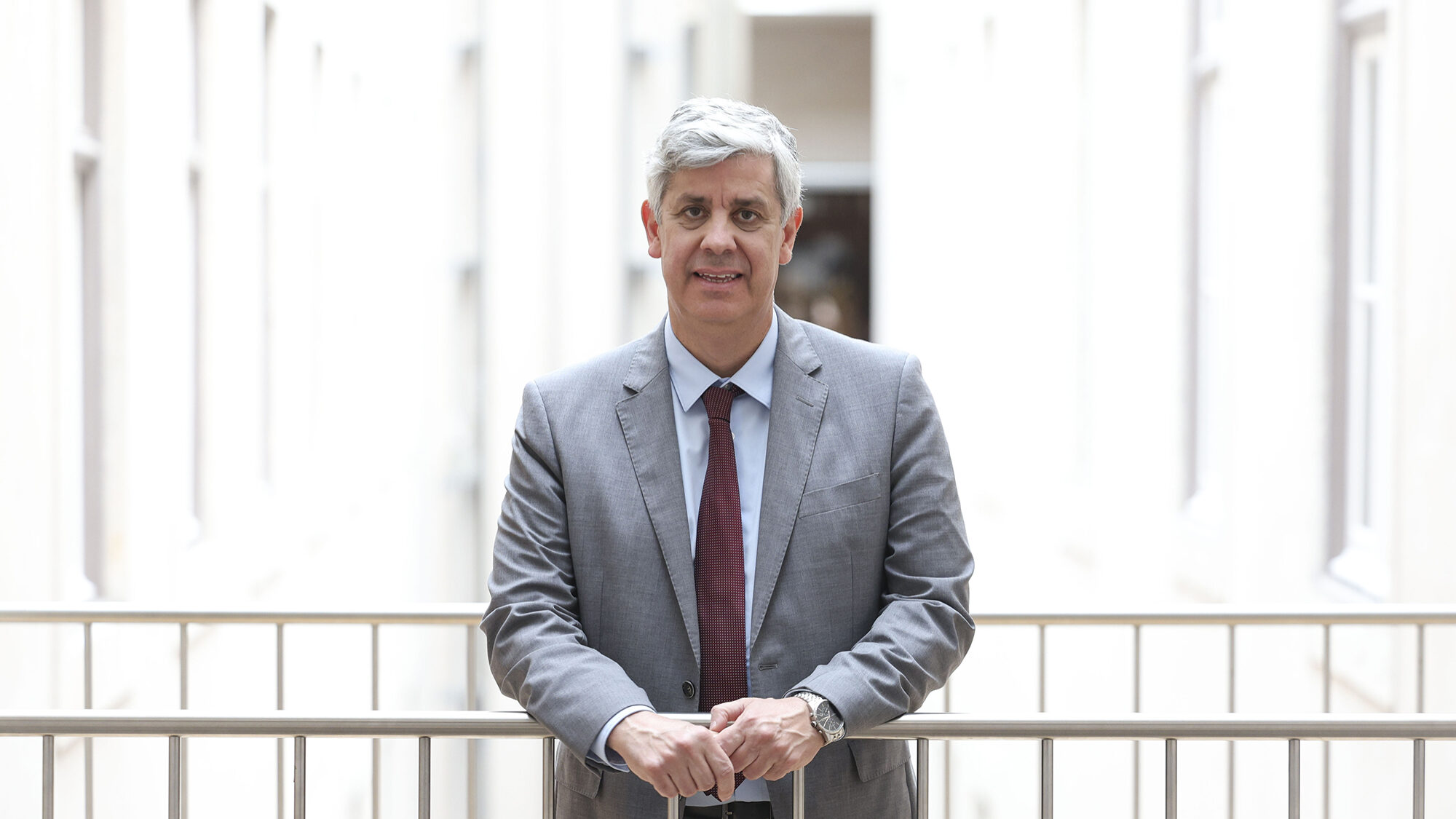
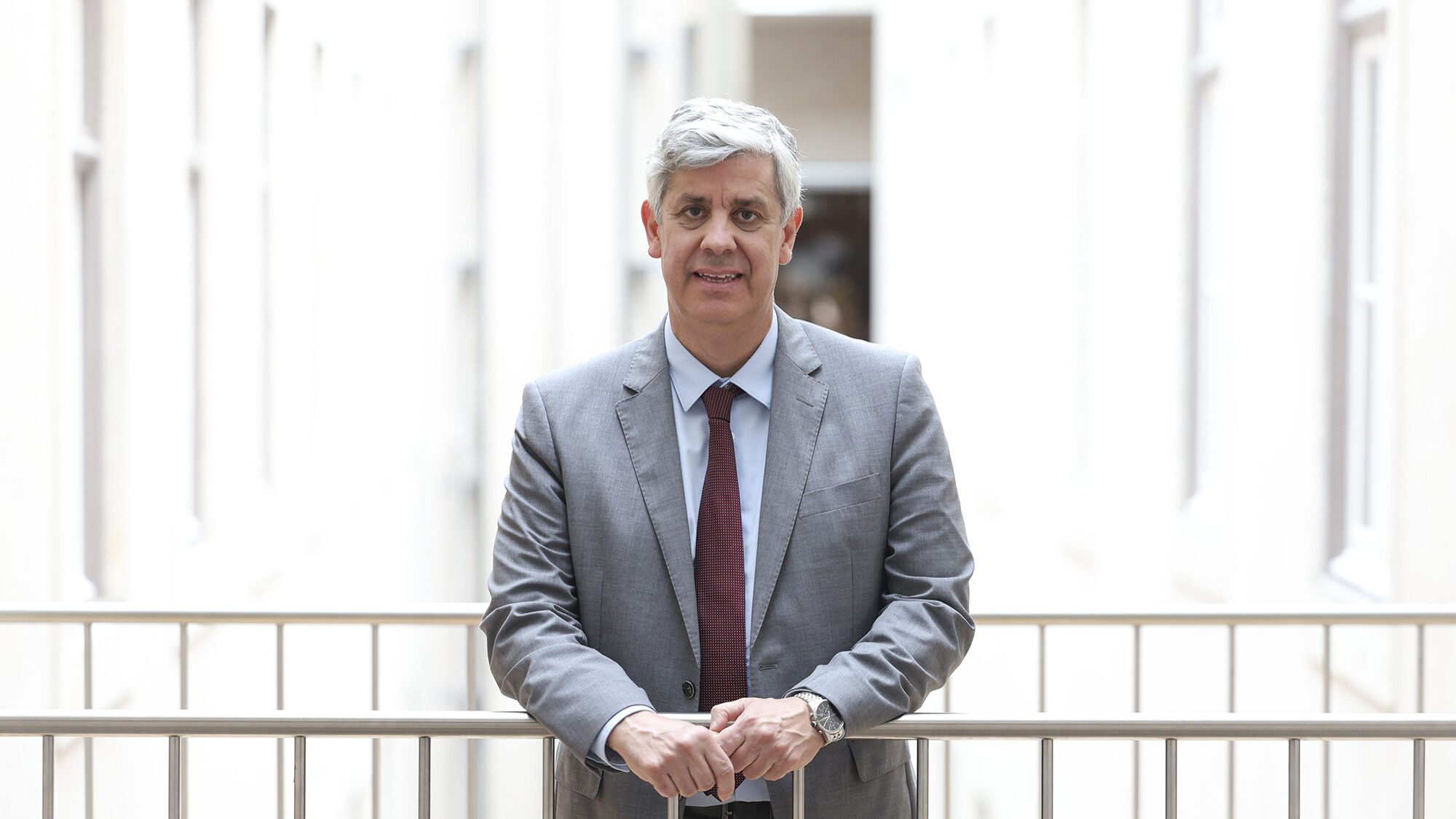
European Union policymakers (EU) in Frankfurt and Brussels should help companies in the bloc adapt to Donald Trump’s “use of tariffs as a weapon”, argues Mário Centeno, former governor of the Bank of Portugal (BdP) and one of six candidates in the race to replace Spain’s Luis de Guindos as vice-president of the European Central Bank (ECB).
In an interview with the Financial Times, the Portuguese candidate for Christine Lagarde’s number two warns that the US customs tariffs already in place and the potential surcharges — which Washington wants to impose on countries that do not agree with the annexation of Greenland (a semi-autonomous territory belonging to Denmark) — represent a “structural shock” for European companies, which face “price disadvantages” in the United States.
In Mário Centeno’s view, Europe should respond to threats from the White House leader with “coordination of monetary, fiscal and competition policies”, with companies having to become “more competitive” and European policy makers “supporting” this transformation, especially “at a time when the use of tariffs as a weapon is becoming part of the game”.
“We would have been much better off without tariffs”, the former BdP governor told the British newspaper. However, although he considers them “a major challenge”, he points out that European companies competing in the US market and elsewhere are likely to become “more efficient and more competitive over time”. “It’s a kind of paradox”, he concludes.
Mário Centeno’s interview with the Financial Times is published on the day that the former finance minister and former governor of the Bank of Portugal goes to the polls at Monday’s Eurogroup meeting to decide who will be the next vice-president of the ECB.
In addition to the Portuguese candidate, the race to succeed Spain’s Luis de Guindos, whose term ends next May, includes Latvia’s Mārtiņš Kazāks — whom the European Parliament, after last week’s hearings, highlighted as one of the favourites for the position, alongside Centeno —; Finland’s Olli Rehn; Madis Müller from Estonia; Rimantas Šadžius from Lithuania; and Boris Vujčić from Croatia.