Portuguese businesses urge fuel price relief
Business groups in Portugal want broader and longer-lasting support as fuel prices rise above €2 a litre, warning of pressure on jobs, margins and competitiveness.
Portuguese business groups are urging the government to deliver a “timely and proportionate” response to surging fuel prices, warning that the shock is squeezing margins, threatening jobs and weakening the country’s competitiveness. Industry bodies say the impact is spreading across transport, logistics, agriculture and manufacturing as fuel prices move above €2 a litre.
AEP, the Portuguese Business Association, said current mitigation measures, including the mechanism that cuts the fuel tax known as ISP, are not enough given the scale of the increase. Its president, Luís Miguel Ribeiro, said the government should consider a deeper tax cut and keep support in place for the most exposed sectors, especially transport and other fuel-intensive activities, for as long as “exceptional conditions” persist. He also called for a regular monitoring mechanism to track fuel prices and their impact across sectors.
AIP, the Portuguese Industrial Association, said the rise in fuel costs is adding to existing pressure from energy, raw materials and financing costs. Its president, José Eduardo Carvalho, said that if diesel rises by 14 to 15 cents a litre, a company using 100,000 litres a year would face about €15,000 in additional direct annual costs. He argued for temporary, broad-based and transparent support for the wider business sector, rather than case-by-case measures.
Sector groups said the pressure is particularly acute in agriculture and export industries. CAP, the farmers’ confederation, said the increase in agricultural diesel prices since March has added €60 million in costs, while state compensation totalled €6 million. In metalworking and textiles, industry representatives said higher fuel prices are compounding already elevated energy and input costs, making it harder to protect margins or pass increases on to customers.
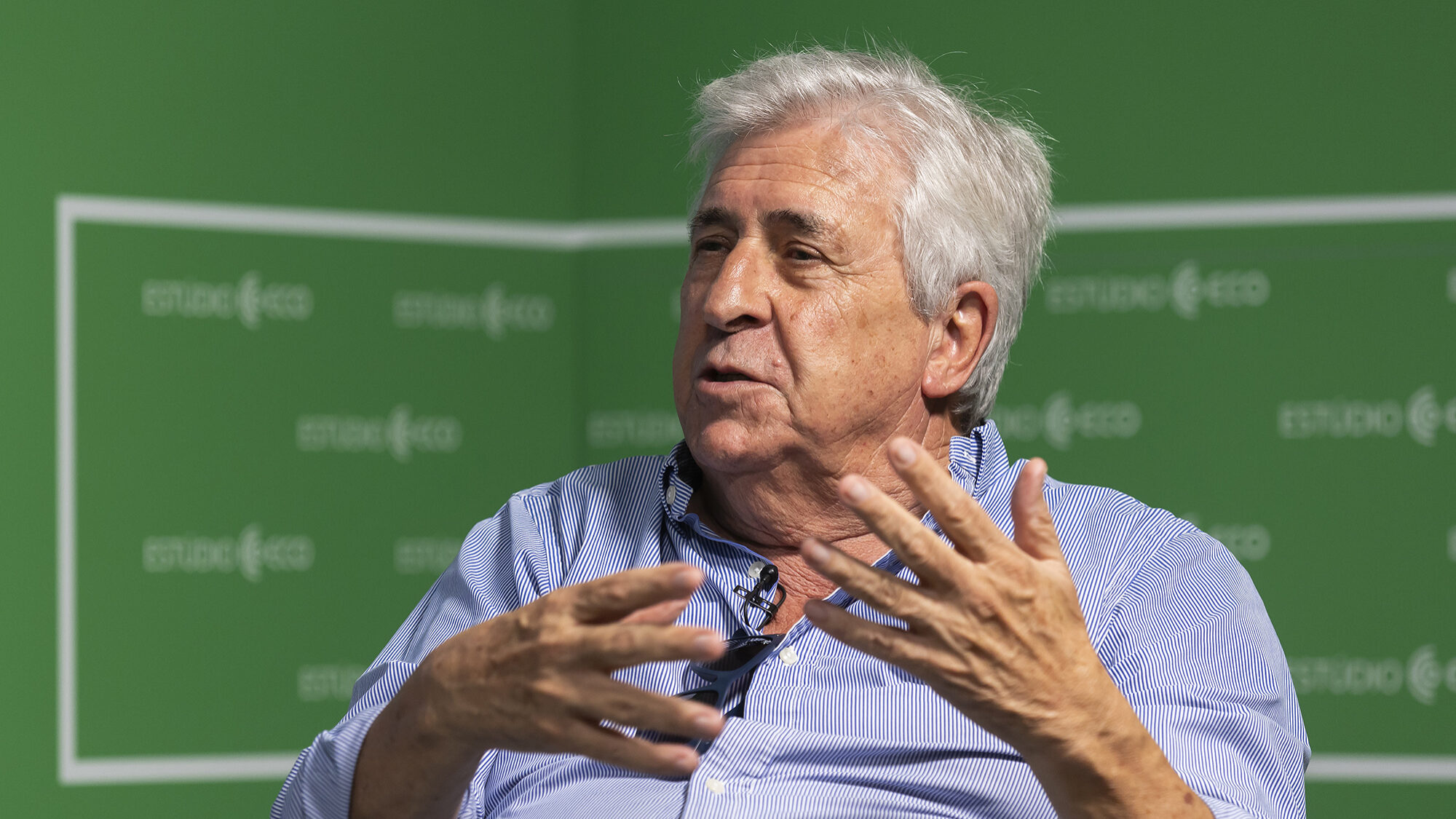
Former economy minister António Costa Silva said the government has so far relied on limited measures such as reducing ISP in line with higher VAT revenue, calling that approach a palliative. He argued that Portugal needs more structural action to reduce its exposure to fossil fuel shocks, including further electrification and continued investment in renewable energy.
Originally published at Eco.pt