Bank of Portugal gold reserves now worth over €50 billion as tensions escalate over Greenland
Escalating tensions between the US and the EU over Greenland are pushing gold prices to record highs. Bank of Portugal reserves are now worth over €50 billion.
The gold reserves held by the Bank of Portugal are increasing in value day by day and are now worth more than €50 billion, with escalating tensions between the European Union (EU) and the US over control of Greenland pushing the price of an ounce of the precious metal to record highs. But that’s not all.
On Wednesday, gold reached a new all-time high of $4,887.82 per ounce, moving ever closer to the $5,000 barrier, something the market anticipates will happen later this year.
Analysts associate this rush to gold with it being a safe haven for investors in times of uncertainty, but there is another underlying force behind this movement: the weakening of the dollar’s status in the global system as a reserve currency, a situation that is driving demand from central banks around the world.
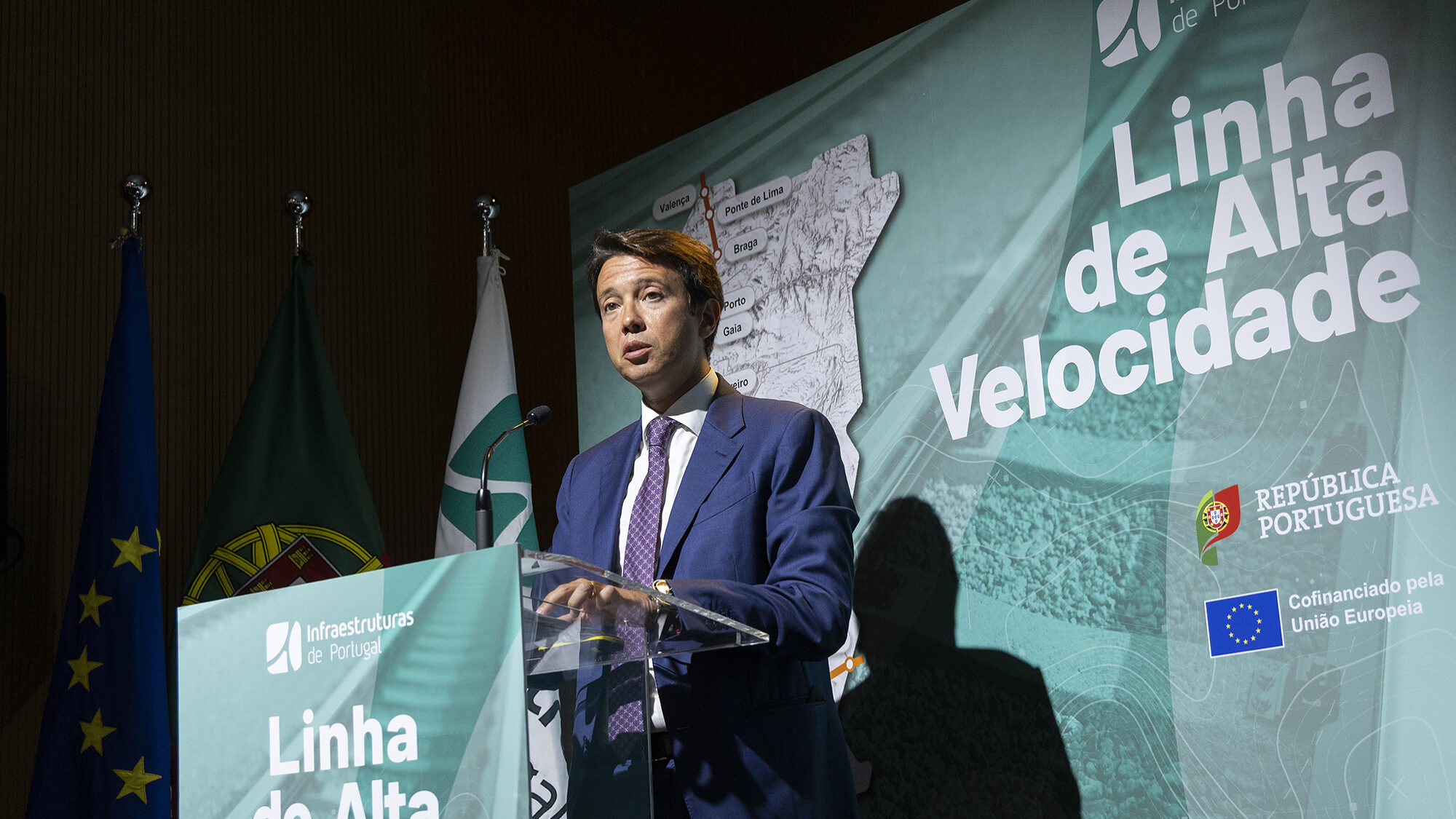
In the case of the Bank of Portugal, the central bank led by Álvaro Santos Pereira has not made any purchases, but holds one of the largest reserves in the world (15th on the World Gold Council list), with approximately 382.7 tonnes of the precious metal already worth around €50.6 billion. In just three weeks, they have appreciated by around 15%.
If we look at the last decade, gold has shown an average annual appreciation of around 15%. This performance even beats that of the main Lisbon stock market index, the PSI (approximately 9% on average per year), and global stocks (11% on average per year) during this period.
Trump boosts gold
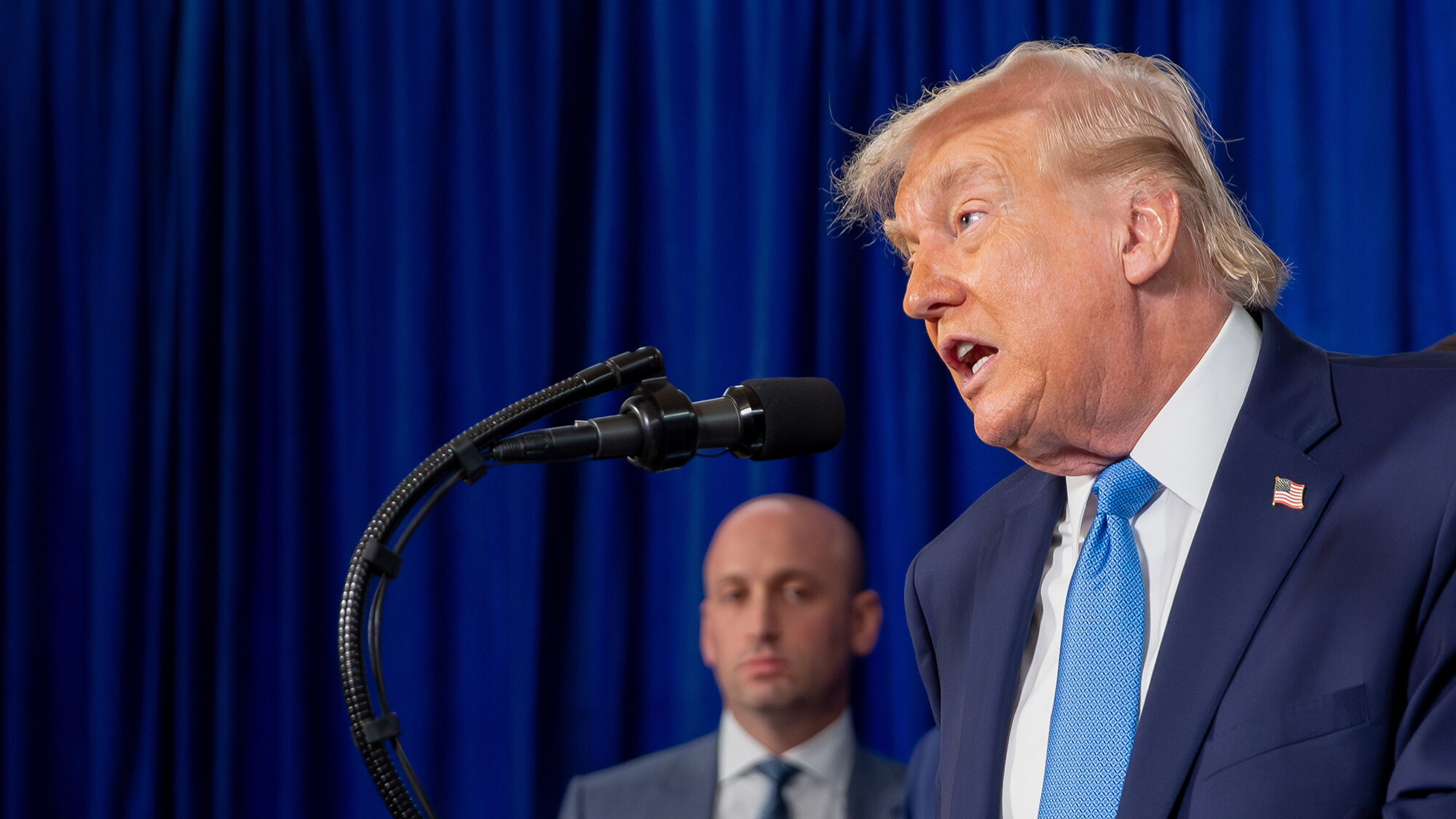
On Wednesday, the US President attempted to ease tensions with Europe by ruling out the “use of force” to take Greenland. However, he repeated his demand to take over the Arctic island, citing national and international security reasons. “We want a piece of ice to protect the world, and they don’t want to give it to us. We never ask for anything. They have a choice: either they say yes, and we are grateful, or they say no, and we will not forget”, he said at the World Economic Forum in Davos, Switzerland.
Donald Trump has backed down on his threat to impose new customs tariffs on eight European countries, words that helped calm the markets, but do not erase the erratic policy he has pursued since returning to the White House a year ago, with constant threats against trading partners, including NATO allies, and attacks on institutions such as the US Federal Reserve (Fed), whose credibility and independence have been widely questioned with the attacks on its chairman, Jerome Powell.
While for decades the dollar has been the main reserve currency and the medium of exchange for most international trade, that status appears to be weakening.
“Investors — private and sovereign — believe that their strategic reserves are no longer safe in dollars because they can be confiscated overnight. The dollar is losing credibility as the anchor of the global monetary system because the Fed is losing credibility and so is the US Congress”, explained Raphaël Gallardo, chief economist at asset manager Carmignac, quoted by The Guardian. ’There is no one to replace the dollar. That’s why gold shines by default”, he added.
Central banks rush
It is within this context that central banks have been engaged in a race for gold (driving up prices per ounce) as a means of diversifying their reserves and protecting themselves from this dollar-related instability. “They are not only concerned about inflation; they are also concerned about a world where dollar assets can be sanctioned, confiscated or devalued”, commented Ugo Yatsliach, founder of Gold Policy Advisor and professor of economics at Bridgewater State University and finance at Bunker Hill Community College, quoted by the Financial Times.
This is the case with the National Bank of Poland, which this week approved a plan to purchase 150 tonnes of gold, which will increase the country’s reserves to 700 tonnes. “This would place Poland among the elite 10 countries with the largest reserves in the world”, the institution said in a statement.
The National Bank of Poland has been leading the way in gold purchases, but other central banks have also been active in the market, such as those of Kazakhstan, Brazil, Azerbaijan, Turkey and China, for example, which are taking advantage of the weak dollar to buy gold at a lower price.