Portugal’s 2027 budget banks on growth, tight fiscal room
Portugal’s 2027 budget targets a 0.1% surplus while relying on strong private investment, leaving little room under EU fiscal rules or for new spending measures.
Portugal’s government has presented a 2027 budget built on relatively strong growth assumptions and a narrow fiscal margin, aiming for a budget surplus of 0.1% of GDP next year while staying just within the limits of EU budget rules. The plan combines a pro-growth macroeconomic outlook with limited room for extra spending or policy concessions in parliament.
The budget assumes GDP growth of 2.1% in 2027, after 2.3% this year, above the range cited for other institutions including Banco de Portugal, the Public Finance Council and the European Commission. The government expects private consumption to grow 2.1% and total investment 2%, even as public investment is projected to fall 31% in nominal terms with the end of Portugal’s recovery plan, while private investment is forecast to rise 13%.
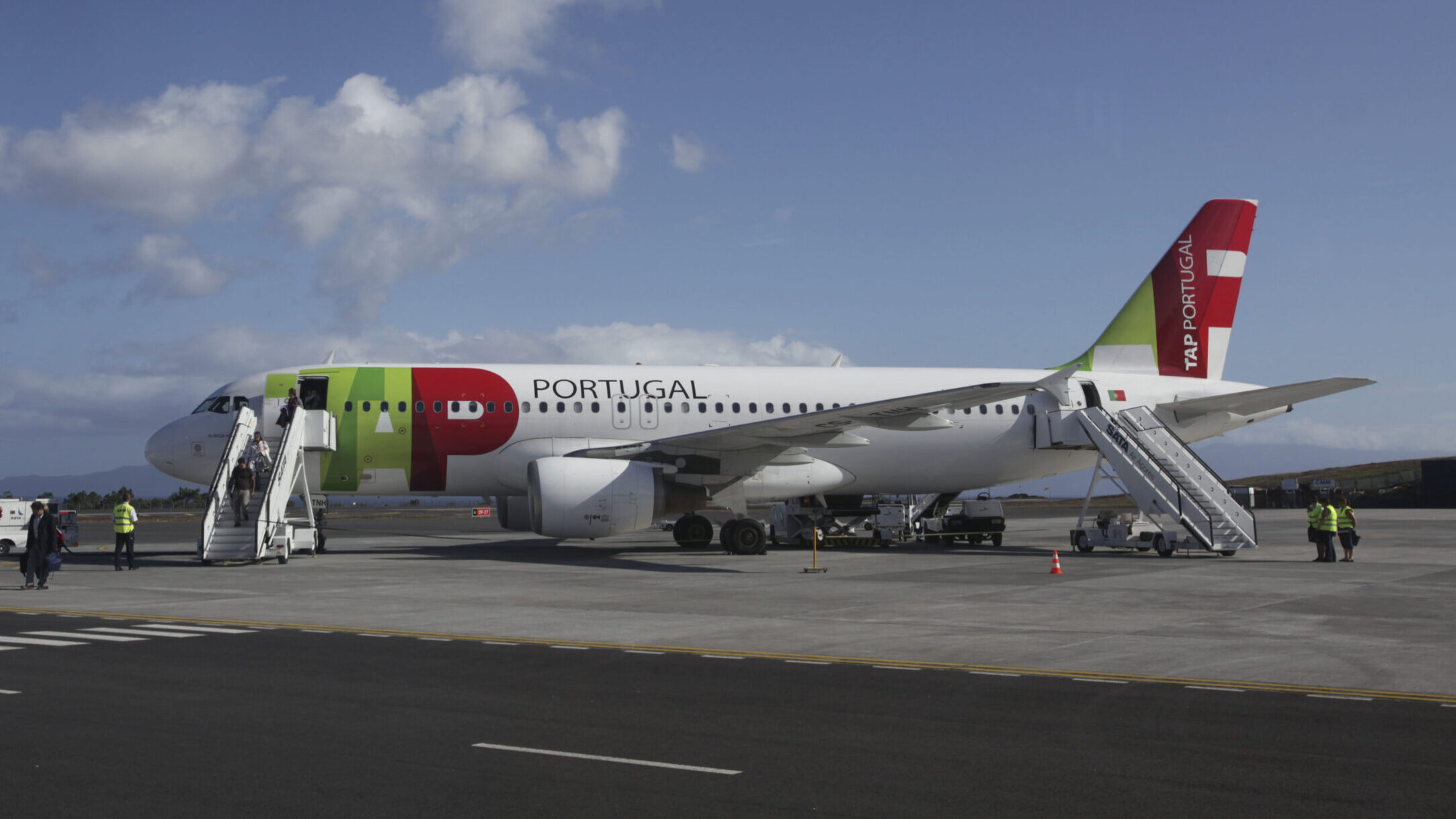
That private investment forecast is one of the budget’s most ambitious assumptions. The Public Finance Council said that, in the absence of detailed information, one possibility is that the projection includes large one-off corporate investments, including data centres and other artificial intelligence infrastructure, as well as a reinforcement of TAP’s fleet in 2027 after the airline’s restructuring plan ends. The council also warned that tighter financing conditions for households and companies could pose risks.
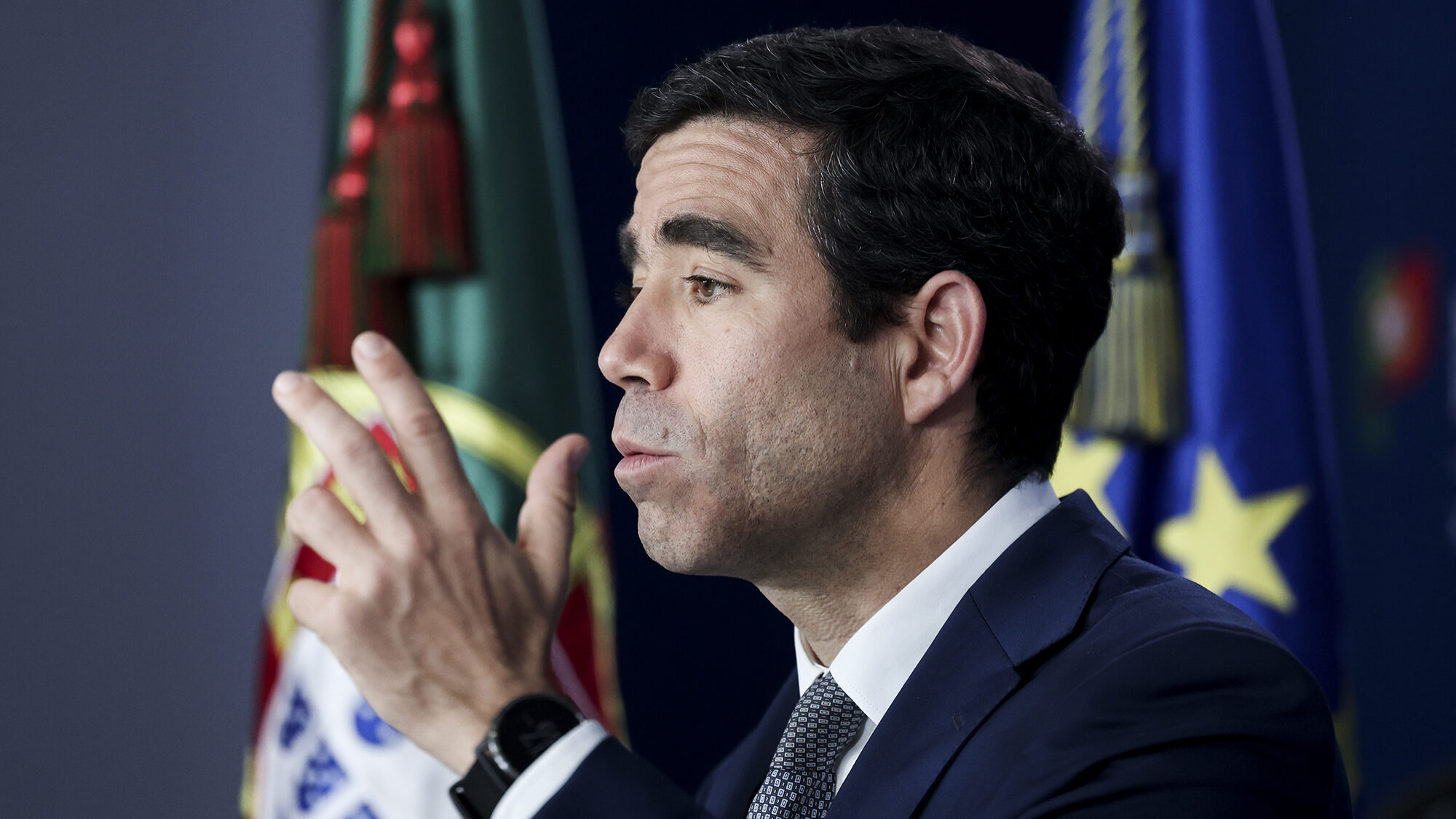
On the fiscal side, Finance Minister Joaquim Miranda Sarmento kept this year’s balanced-budget forecast and said public debt should fall to 84.5% of GDP in 2027 from an estimated 87.5% this year. But interest costs are expected to rise 23.2% to €8.217 billion, equivalent to 2.4% of GDP, and net expenditure growth leaves Portugal close to the maximum deviation allowed under the medium-term targets agreed with Brussels, after accounting for defence-related flexibility.
The tight budget room also has political consequences. Sarmento said the gap between the projected 0.1% surplus and a zero balance is just €275 million, limiting the government’s ability to accept changes during parliamentary negotiations. With no new measures to offset the cost of living, opposition parties are already signalling pressure for amendments, while support from the Socialist Party or Chega remains critical for the budget’s passage.
Originally published at Eco.pt