Similar bids are likely to push up TAP’s price. Who comes out ahead?
With “very similar” business plans, the price and any potential earn-outs are likely to determine the winner of the privatisation. Lufthansa and Air France-KLM have different arguments.
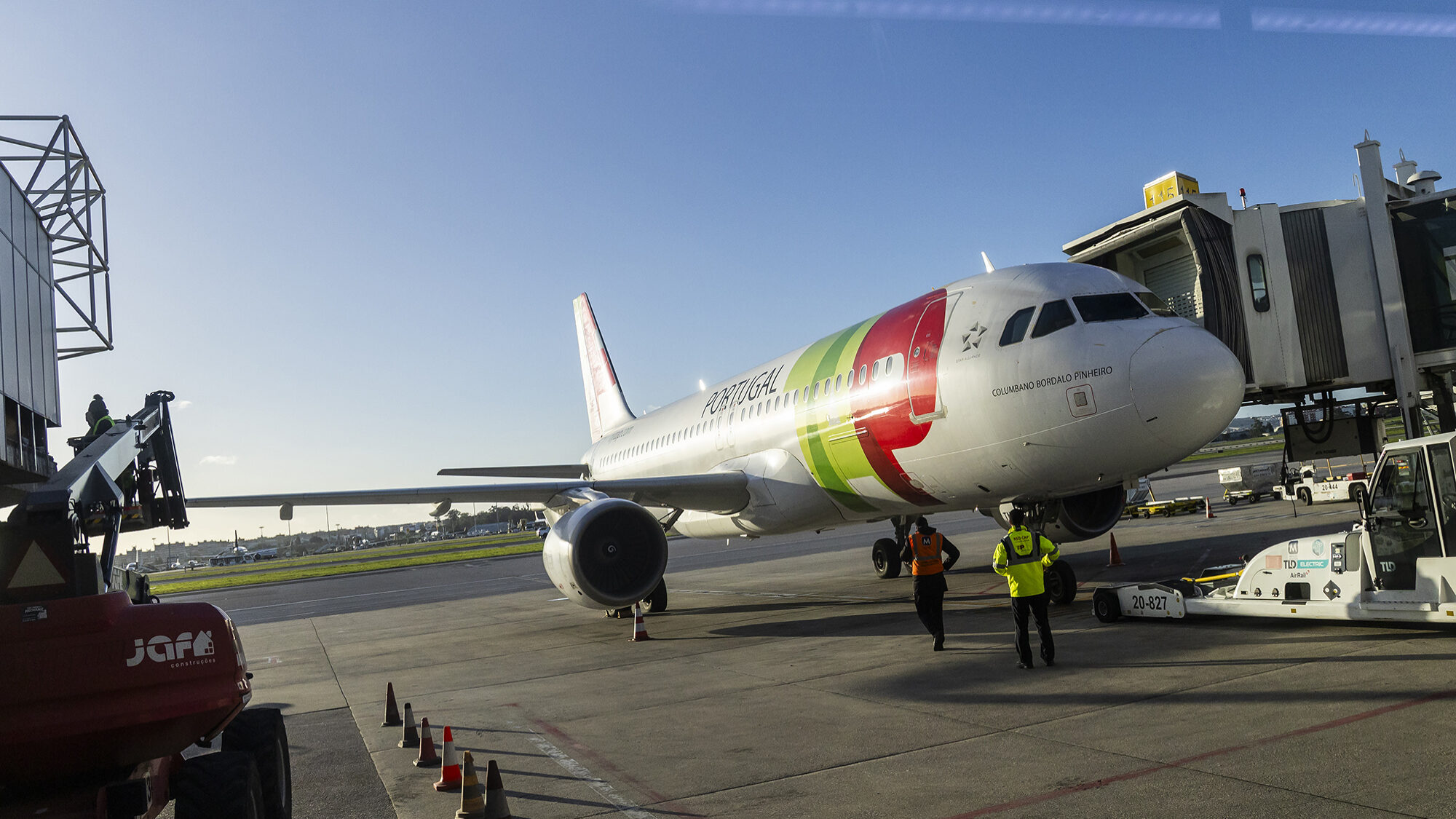
Portugal’s sale of 49.9% of TAP is likely to be decided mainly on price, after the government judged the industrial plans and financial terms put forward by Lufthansa and Air France-KLM to be “very equivalent”. The final stage of the privatisation may now depend on how far each bidder is willing to improve its offer for the Portuguese carrier.
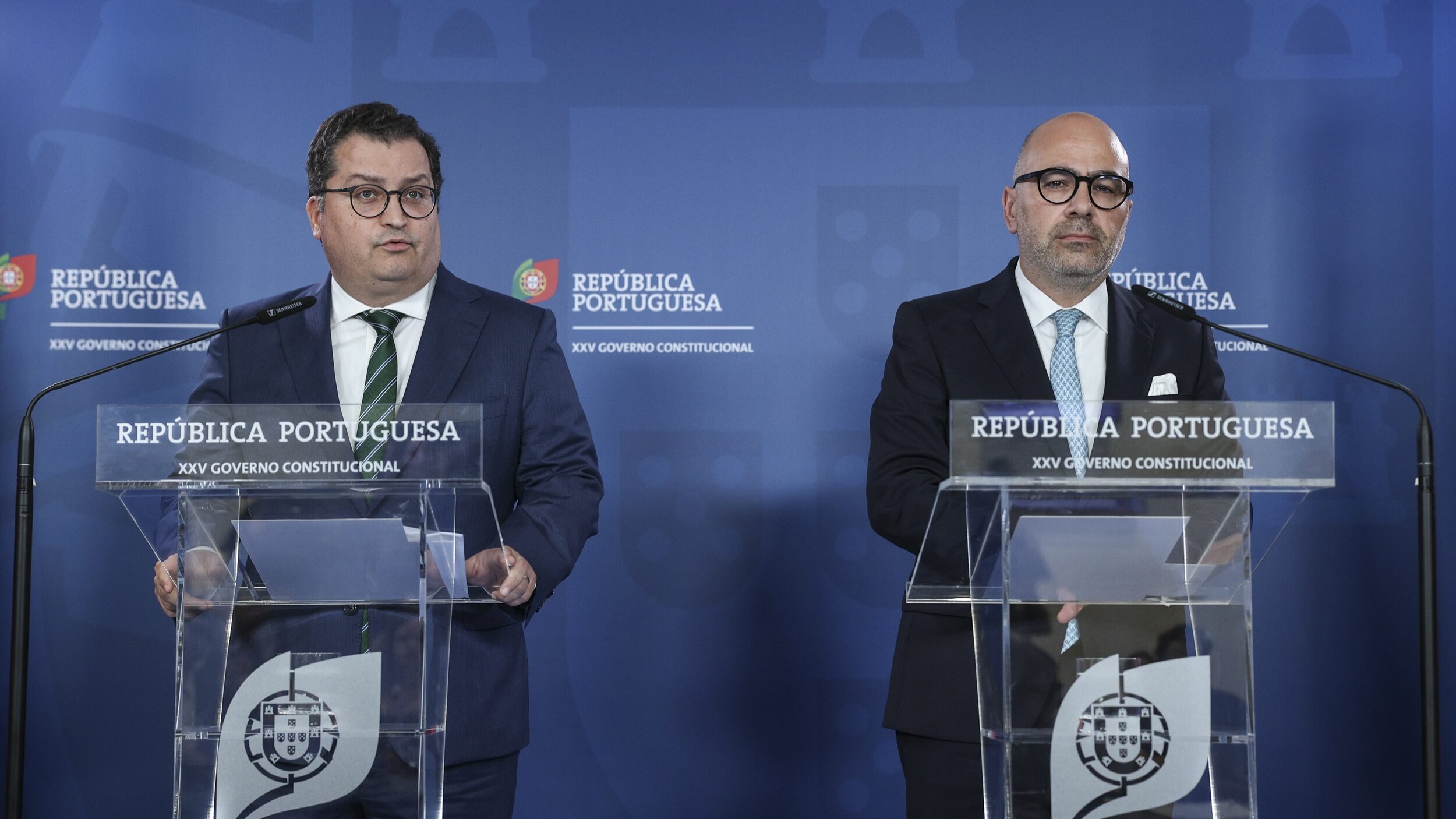
Infrastructure Minister Miguel Pinto Luz has formally invited both groups to submit binding bids after they presented non-binding proposals. Under the privatisation rules, they have 90 days to send binding offers to state holding company Parpública, meaning a deadline of July 22. Possible earn-outs — additional payments to the state linked to TAP meeting financial targets — could become an important way to raise the value of the bids.
On the financial side, analyst Nuno Barradas Esteves told ECO that Lufthansa “has a slight edge”, citing “stronger finances, lower execution risk and an industrial commitment already under way in Portugal”. At the end of 2025, Lufthansa’s equity ratio stood at 24%, compared with 6% for Air France-KLM, while Lufthansa held an investment-grade BBB- rating from S&P versus BB+ for Air France-KLM. Lufthansa also had €10.7 billion in liquidity and €7.8 billion in debt, against €9.4 billion and €8.4 billion respectively for Air France-KLM.
Air France-KLM, however, also has arguments in its favour. The group could offer stronger strategic upside for TAP by positioning Lisbon as its third hub alongside Paris and Amsterdam, with network complementarities especially on routes to Brazil, Africa and the US, as well as a more advanced position in sustainable aviation fuel. Lufthansa’s industrial case includes a €309 million Lufthansa Technik maintenance project in Santa Maria da Feira, expected to create 700 jobs.
Rui Quadros, a former airline executive and university professor, told ECO the process remains finely balanced and could be decided by details such as price, commitment to Lisbon as a hub and alignment with the Portuguese state. He also said the limited-control privatisation model reduces any buyer’s ability to carry out a deep restructuring of TAP, which may cap how much bidders are willing to raise their offers.
Originally published at Eco.pt