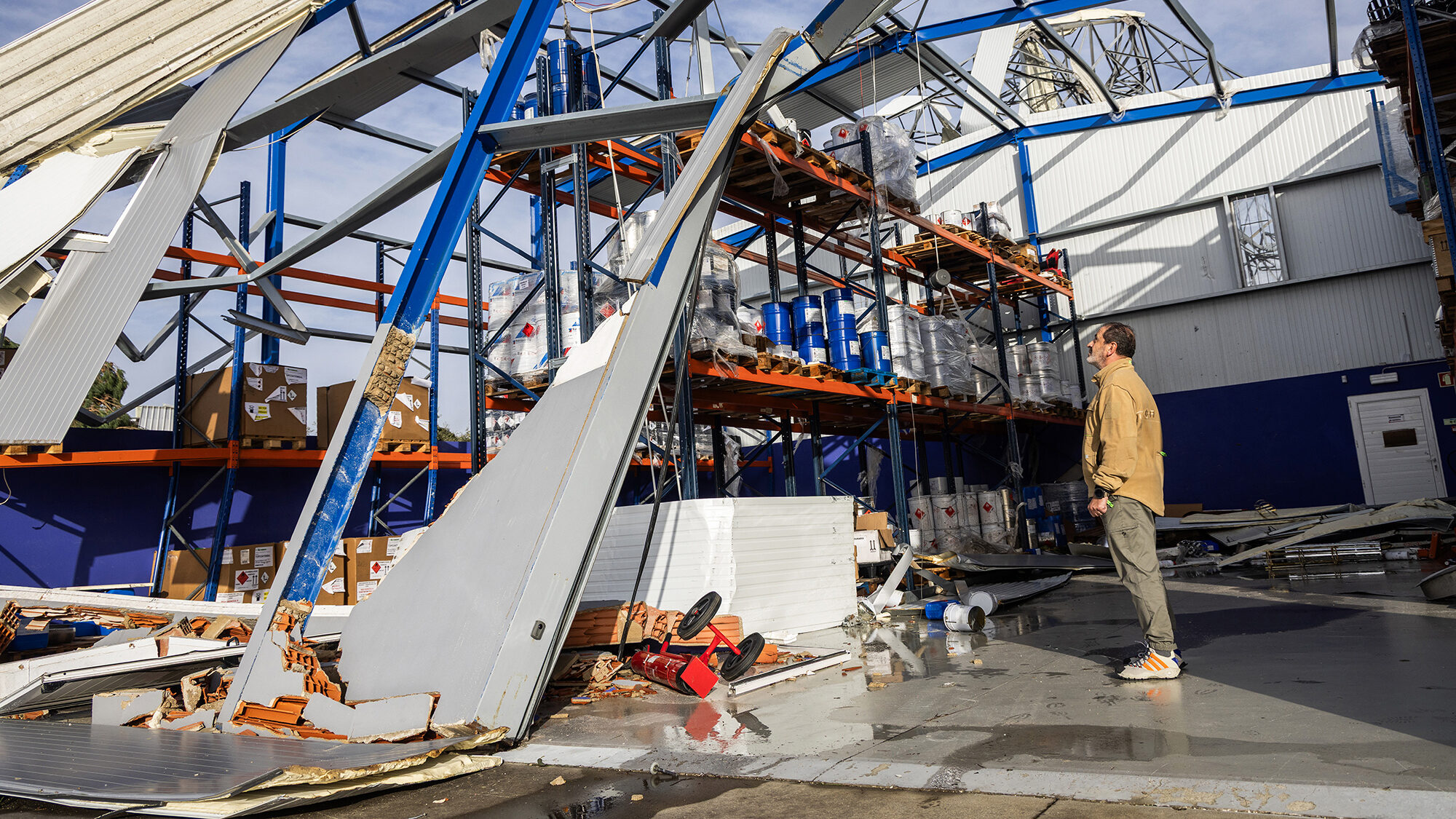
Costs of Storm Kristin to exceed four billion euros
Minister Castro Almeida acknowledged that "his words were unfortunate" when he said that victims of the disaster would have to survive on their January salaries while waiting for government support.
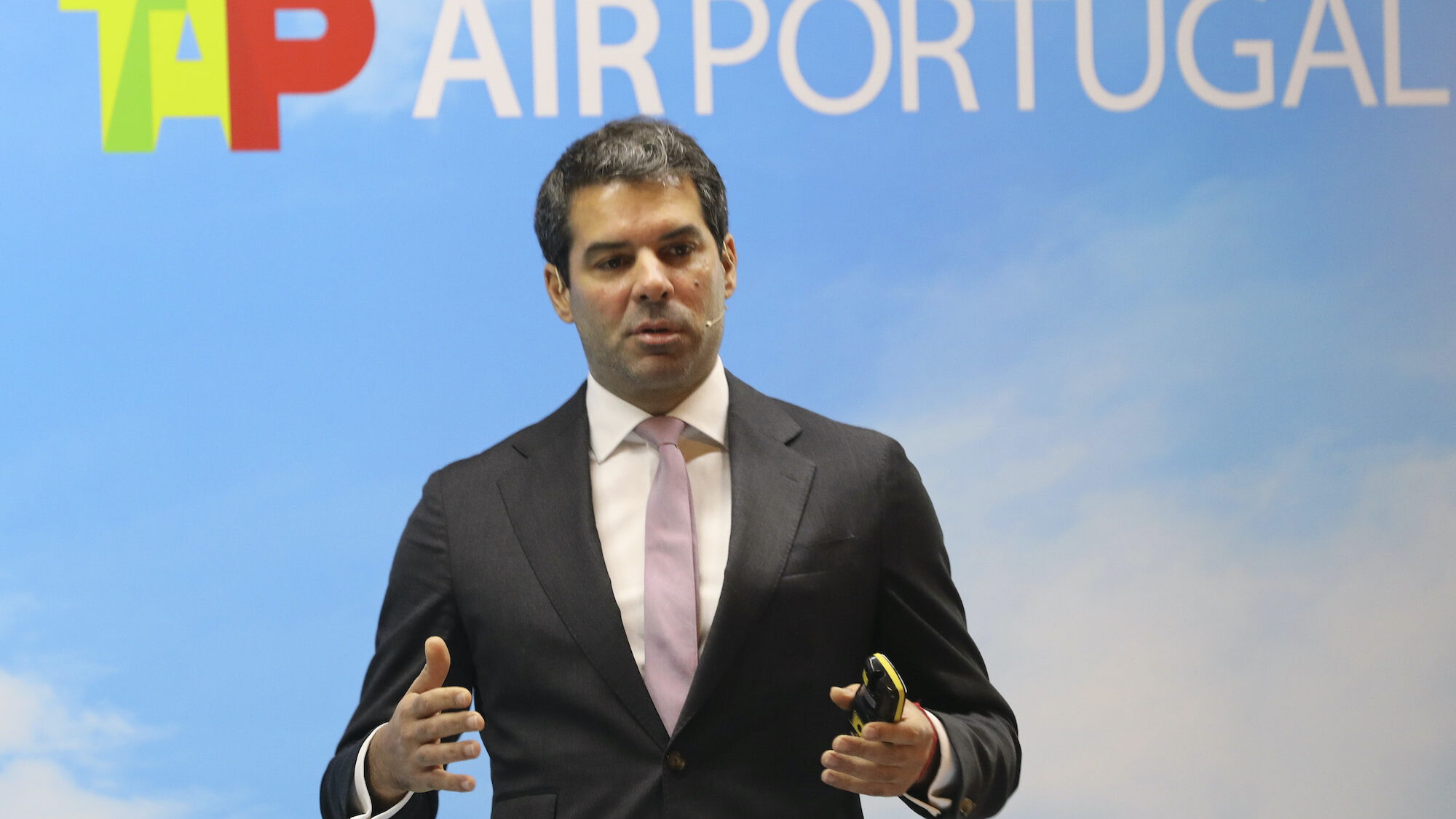
The Minister for the Economy and Territorial Cohesion revealed that a “very preliminary” estimate suggests that the costs of the damage caused by Storm Kristin will exceed four billion euros.
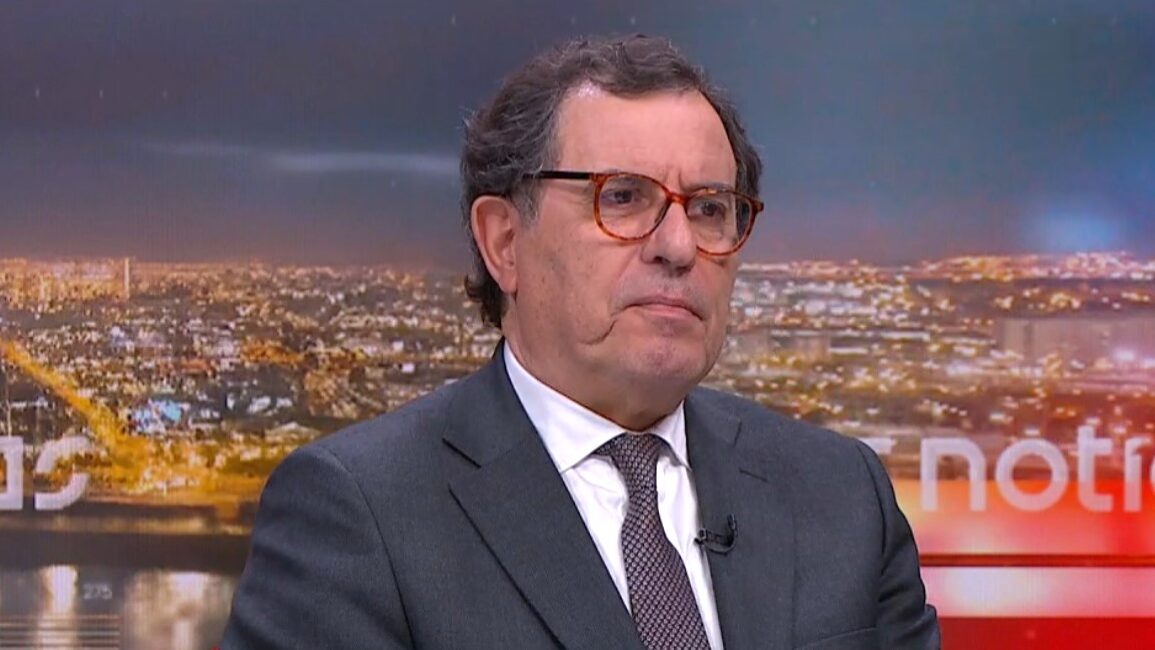
“In a very preliminary estimate, everything points to the costs exceeding four billion euros”, said Manuel Castro Almeida in an interview with RTP on Wednesday evening, double the amount he had put forward two days ago in an interview with SIC Notícias.
This estimate, he adds, does not even take indirect costs into account. For example: “A company in Leiria that manufactures parts that enter the production chain of another company in Bragança or Évora, which has nothing to do with the storm zone, but will affect the production capacity of the other factory”.
“From an economic point of view, it will be a very significant blow”, he anticipates, acknowledging that the impact on exports is “inevitable”, although he highlights the willingness of business owners to overcome this adversity and not fail to deliver orders so as not to run the risk of being replaced by other suppliers.
Even so, “some factories will take months to rebuild”. “There are business owners who will build completely new factories, [because] the current ones are completely unusable. As a result, many people will be out of work. They will not be left without income because we will have a simplified layoff scheme, which will guarantee [remuneration] for workers who have their employment contracts suspended because companies are unable to operate, but they will receive a net monthly remuneration equal to what they received when they were working”, assured the Minister of Economy.
“The idea is that they will not lose their net salary; what goes into the workers’ accounts will be the same, up to a limit of three minimum wages, or €2,760”, he assured, trying to reassure workers affected by the disaster that ravaged around 70 municipalities, mainly in the central region. The salary will be paid 80% by Social Security and 20% by companies, he explained, adding that this is a similar scheme to the one in place during the Covid-19 pandemic.
He also acknowledged that his words two days ago, when he advised the victims of the Kristin depression to use their January wages for basic necessities until state support arrived, were “unfortunate” and asked for “people’s understanding” because “it takes time to implement this new type of support, which should arrive before the end of February”.
Companies, in turn, will be able to obtain financing to overcome this difficulty, Castro Almeida recalled, referring to the credit lines launched on Wednesday: 500 million euros for cash flow — “which, if necessary, will be increased” — and 1 billion euros for investment and resuming activity, in which case it is possible to convert 10% into non-repayable grants, provided that, at the end of the three-year grace period, companies maintain their level of activity and number of jobs.
“We already have 245 companies that have applied for support worth 70 million euros on the first day. I am sure that many more will come in the next few days”, said Castro Almeida. The response to these requests, he adds, “is supposed to be very quick, but the analysis is done by the banks”.
On the other hand, the Minister of Economy recalled that the bulk of the costs will be borne by the insurance companies, “because insurance is mandatory”. “Companies that exclude storms from their insurance coverage are doing a great disservice”, he said, reiterating once again that the fact that the Government has declared a state of calamity in those municipalities “cannot be invoked by insurance companies as an exclusion clause — it is in the law and it is in the Resolution of the Council of Ministers”.
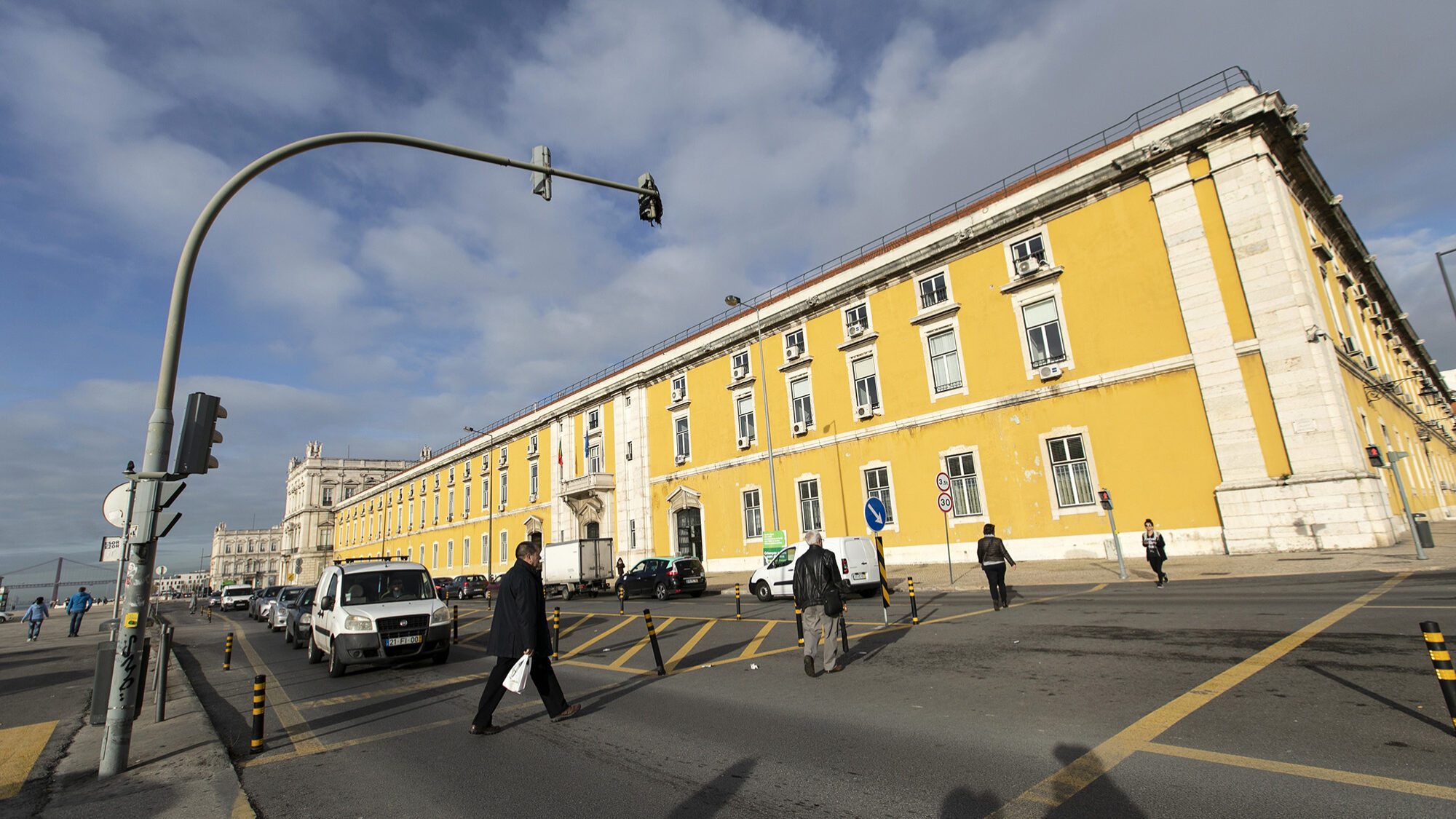
With regard to support for rebuilding homes, from Thursday onwards, people can visit the Government platform (gov.pt) or the CCDR Centro or CCDR de Lisboa to apply for this non-repayable grant of ten thousand euros. Manuel Castro Almeida acknowledges that the amount may be low, but assumes that people have insurance. In addition to this amount, it will also be possible to apply for loans from IFRRU.
The minister said he was more concerned about the lack of labour than the lack of materials, given that “there has already been price speculation in the Leiria region”. “This will be resolved very quickly”, he concluded. “On a European scale, there is no shortage of tiles or screens. In the short term, they will arrive and supply and demand will work and prices will remain relatively stable”, he added.
Castro Almeida also said that he had spoken to companies that can free up a lot of resources in this area and assured that “they are fully aware”. In addition, the Association of Civil Construction and Public Works Industrialists (AICCOPN) is available to recruit labour abroad, with faster conditions as long as people have guaranteed employment and accommodation, he revealed.
PRR rescheduling will strengthen IFIC and ensure communications to parishes
As for the impact of the string of bad weather on the works financed by the Recovery and Resilience Plan (PRR), the minister was clear: “It is obvious that there will be delays. We were already working on the deadlines, now there are works that have stopped and there are works that have been destroyed”.
Without wanting to “go into the technicalities of how they will do it”, Castro Almeida said that “all the works that were financed by the PRR will be completed, even if it is after the normal deadline set by the PRR”. “And we will not lose a single euro of PRR subsidies”, he added, in a phrase that has already become a mantra: “This is the guarantee I can give to the country”.
“We are talking to the European Commission and we will have to be creative, because extraordinary situations require extraordinary responses”, he stressed. Casto Almeida revealed that they will have to make “some reorientations of priorities in the PRR”. “We are not going to invent new lines, but we can allocate some resources, namely to solve the problems faced in this crisis”, he said, giving as an example the great communication difficulties that were felt in the region. “We are going to reorient the PRR, the European funds, in order to provide the parishes with communication equipment, via Siresp. Whether by radio using Siresp or by satellite transmission, the idea is that each parish should have the capacity to communicate”, he explained.
And so that they are not left in the dark, each parish will have the capacity, via batteries or generators, to have at least one place where they can have electricity to watch television or charge their mobile phones. “We have identified the problems and this is an opportunity to solve them”, he stressed.
For companies affected by the disaster, new tenders will be opened under the Financial Instrument for Innovation and Competitiveness (IFIC), operated by Banco de Fomento, “where priority will be given to companies affected by the depression”. “The IFIC will have more money” — in addition to the current €933 million — “and a new tender”.