Lufthansa pledges bigger TAP fleet, Tancos aviation hub
Lufthansa’s winning bid for TAP includes plans to expand the airline to 130 aircraft and build a €500 million aviation school in Tancos.
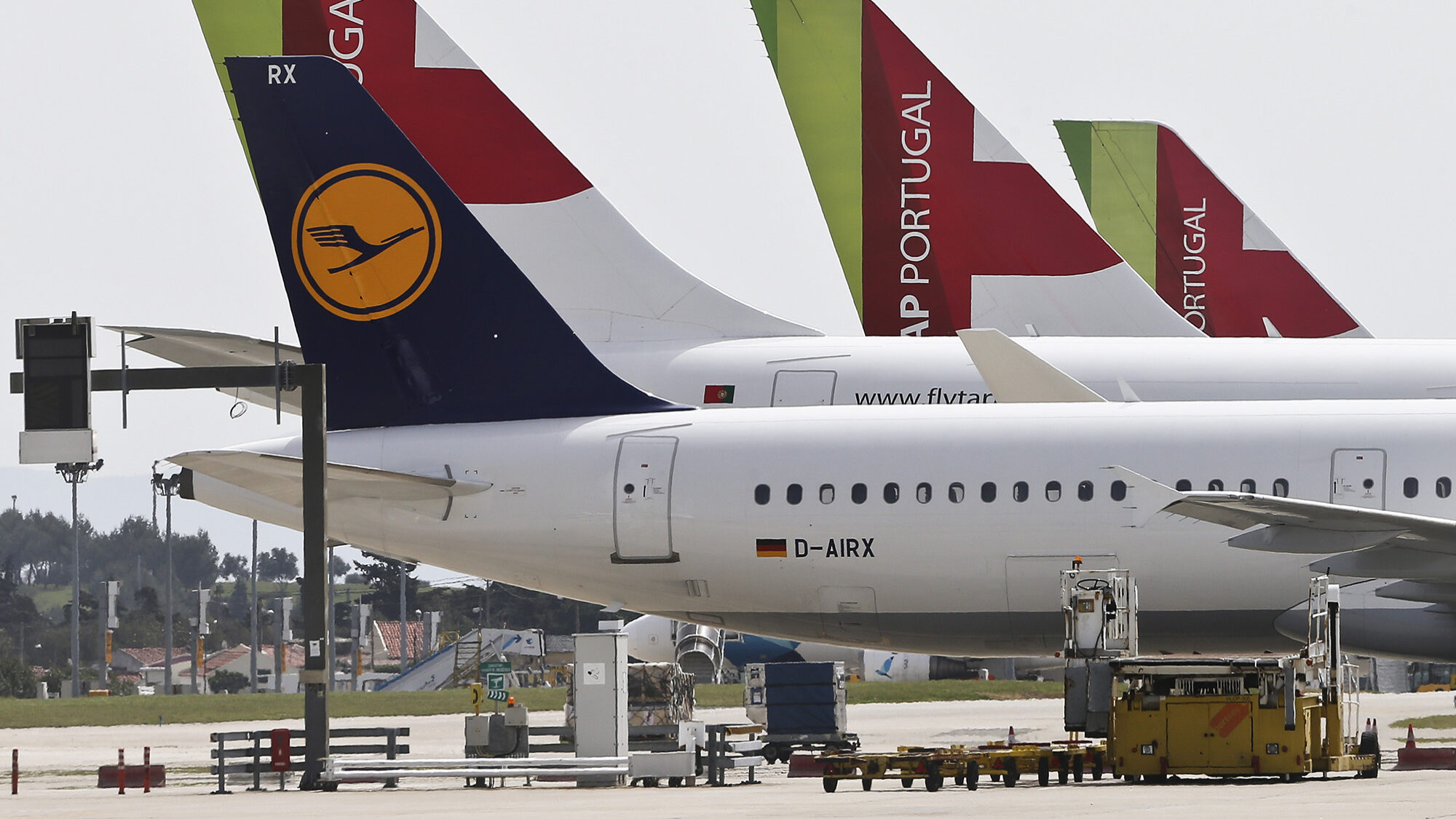
Lufthansa’s winning bid for a 49.9% stake in TAP includes commitments to expand the Portuguese airline’s fleet to 130 aircraft after 2035 and to build a €500 million civil and military aviation school in Tancos. The pledges go beyond the purchase price and point to a broader industrial plan for Portugal’s aviation sector.
Alongside its €1.201 billion offer for 49.9% of TAP, higher than rival Air France-KLM’s proposal, Lufthansa told the Portuguese government it would raise TAP’s operating fleet from about 100 aircraft today to 117 by 2035 and 130 after that. The plan could involve up to €4 billion of investment and includes the transfer of up to eight A350-900 aircraft from Lufthansa’s fleet to TAP after 2030, as well as the modernisation of Portugália’s fleet.
The German group also said it would position TAP as its platform for Brazil and other Portuguese-speaking markets, while keeping Porto as a second base with eight long-haul aircraft. TAP would remain in Star Alliance, with the possibility of a larger joint venture with United Airlines and Air Canada on North Atlantic routes.
In Portugal, Lufthansa also plans to integrate TAP M&E into the Lufthansa Technik network and expects higher maintenance volumes, OEM licences and centres of excellence. A €300 million factory is already being built in Santa Maria da Feira for 700 workers, with construction due to finish within two years. The group also committed to creating a TravelTech Innovation & Startup Hub in Aveiro.
The Tancos project was presented as another key element of the bid. The aviation school would involve €500 million of investment, create 200 jobs and be completed by 2029 or 2030, allowing the site to receive A320-family aircraft. Prime Minister Luís Montenegro said the winning proposal would support growth not only at TAP but across Portugal’s wider aeronautics sector, while the government said the combined initiatives could support 5,000 jobs in the country.
Originally published at Eco.pt