Iberia more competitive than some US states, says EDP CEO
"When comparing Europe with the US, we are comparing averages that don’t tell us anything", warns Miguel Stilwell de Andrade, stressing that the Iberian Peninsula has lower energy prices for industry.
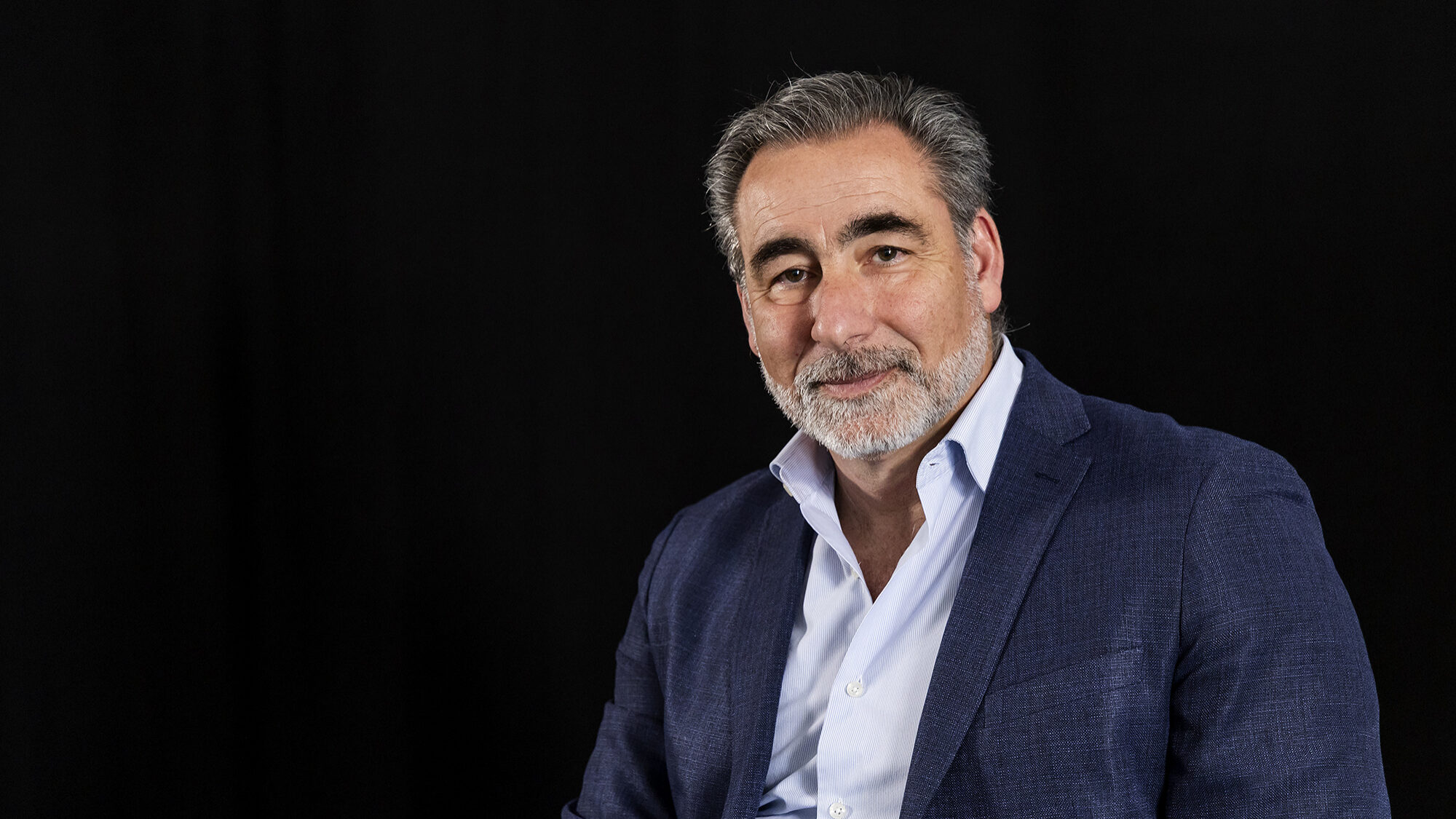
The CEO of EDP criticised those who believe that Europe is less competitive than the US, referring to “generalisations” that lead to “misunderstandings”, and emphasised that the Iberian Peninsula “is more competitive than some US states”.
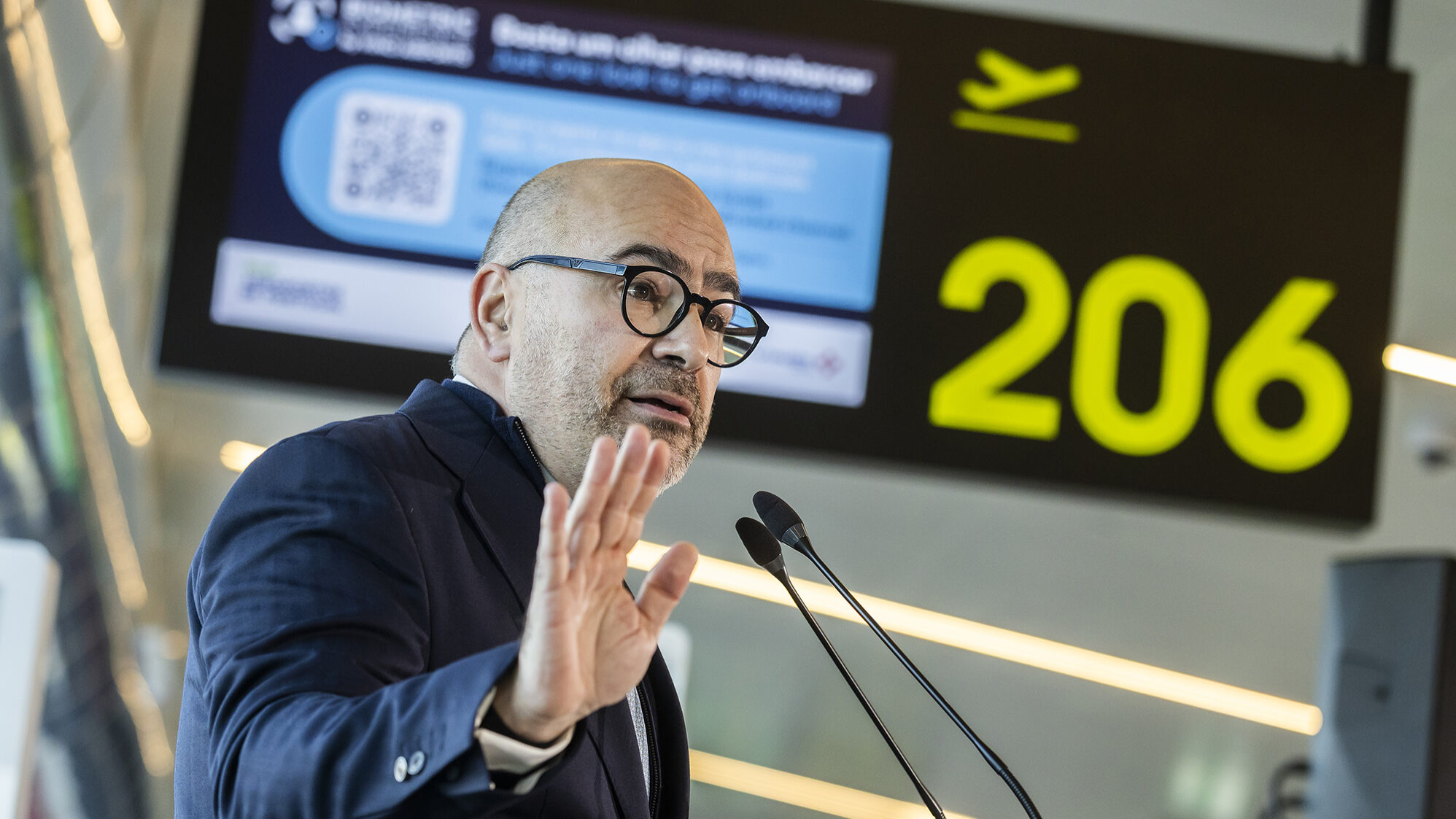
Speaking at a conference organised by the American Chamber of Commerce in Portugal (AmCham) on the data centre industry, which took place this Wednesday in Lisbon, Miguel Stilwell d’Andrade encouraged manufacturers considering relocating factories from Europe to the US to bring them to the Iberian Peninsula, where wholesale energy prices are more affordable.
During his speech, the head of the electricity company stated that “the issue of Europe’s competitiveness is a debate that is not properly framed”. “When we compare Europe with the US, we are comparing averages that tell us nothing. Prices in California are different from those in Texas, Indiana and New York. There are many different realities within the US and within Europe. Comparing Germany with Scandinavia is not the same thing”, he pointed out.
“We sell energy to big tech companies in the US and here, and we sell it cheaper here than there. These are facts”, said the Portuguese executive, warning, however, that “to keep it cheap, we need to invest in generation”.
Portugal “particularly well-positioned” to attract data centres
At a time when a very significant increase in energy demand is anticipated, due to industries such as data centres and artificial intelligence, electric cars and hydrogen production, the CEO of EDP spoke of a “paradigm shift”, with demand in Portugal, in particular, growing “well above” the European average.
The executive spoke of the new process for high-demand zones, launched by the Portuguese government this year, noting that “there were more than 40 GW of requests” for connection to the electricity grid, whilst peak demand in Portugal currently stands at 10 GW. “As a result of this process, only 5.6 GW have provided guarantees, and very strong guarantees at that, with timetables”, he indicated.
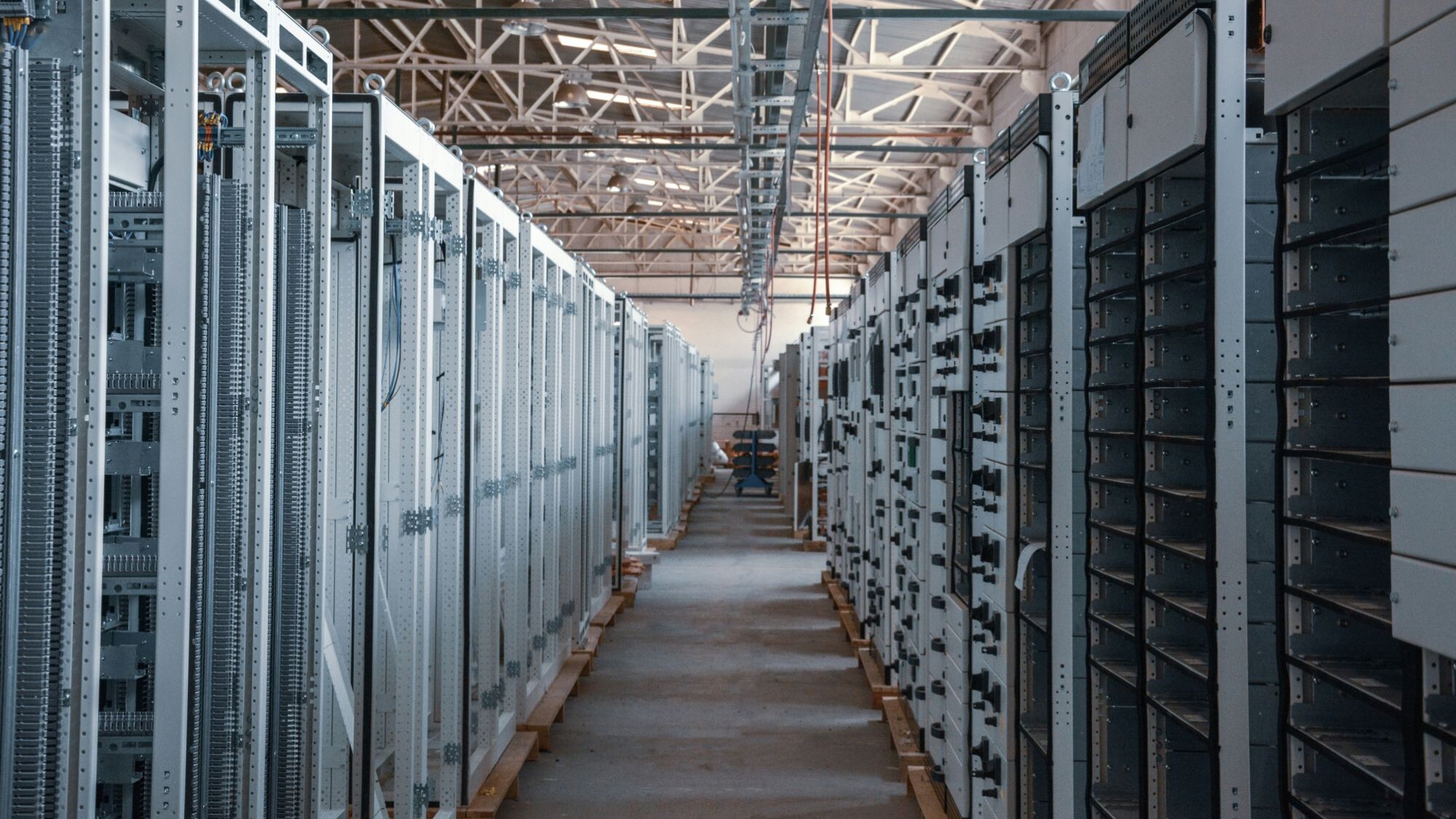
Now, “if we add to that the 1.2 GW Start Campus data centre [in Sines], plus the Merlin data centre [in Castanheira do Ribatejo], we’re talking about 7 GW of connection requests”. “7 GW requested for installation over the next five to ten years, compared with a peak demand of 10 GW. We’re talking about doubling the country’s consumption in the coming years, and Start Campus alone would account for 20% of Portugal’s consumption”, he emphasised.
In short, “there is a great deal of latent investment and potential here”, and Portugal is “particularly well-positioned” to attract this new investment in data centres and artificial intelligence infrastructure, with a robust supply of renewable energy and prices 20% below the European average. But “we need to create the conditions for this to succeed”, the EDP CEO also cautioned.
On the one hand, “investment is needed from REN and ERedes”, with plans representing “a further 70% increase in investment in the electricity networks” over the next five years, in an ongoing process that is “well on the way to being approved by the Government”, the CEO of EDP noted. On the other hand, investment in generation is necessary to avoid an imbalance between supply and demand.
The main problem, however, lies elsewhere: the delay in licensing. “Licensing a wind or solar project can take five or six years” and 18 months to build, he noted. “If the processes take so long, it will be impossible to license and develop the necessary capacity” to meet the industry’s needs, emphasised Miguel Stiwell d’Andrade — acknowledging, however, that Portugal’s situation “is not the worst” in Europe.
A government plan was published this month in the Diário da República promising simpler and faster licensing procedures, with the Portuguese Agency for Investment and Foreign Trade (AICEP) acting as a single point of contact for investors. The policy of Luís Montenegro’s government aims to create conditions to attract more investment in data centres in the country.