Astrotourism gains ground in Portugal beyond eclipse
A solar eclipse is drawing visitors to Portugal, but tourism linked to dark skies is expanding year-round and bringing new business to inland regions.
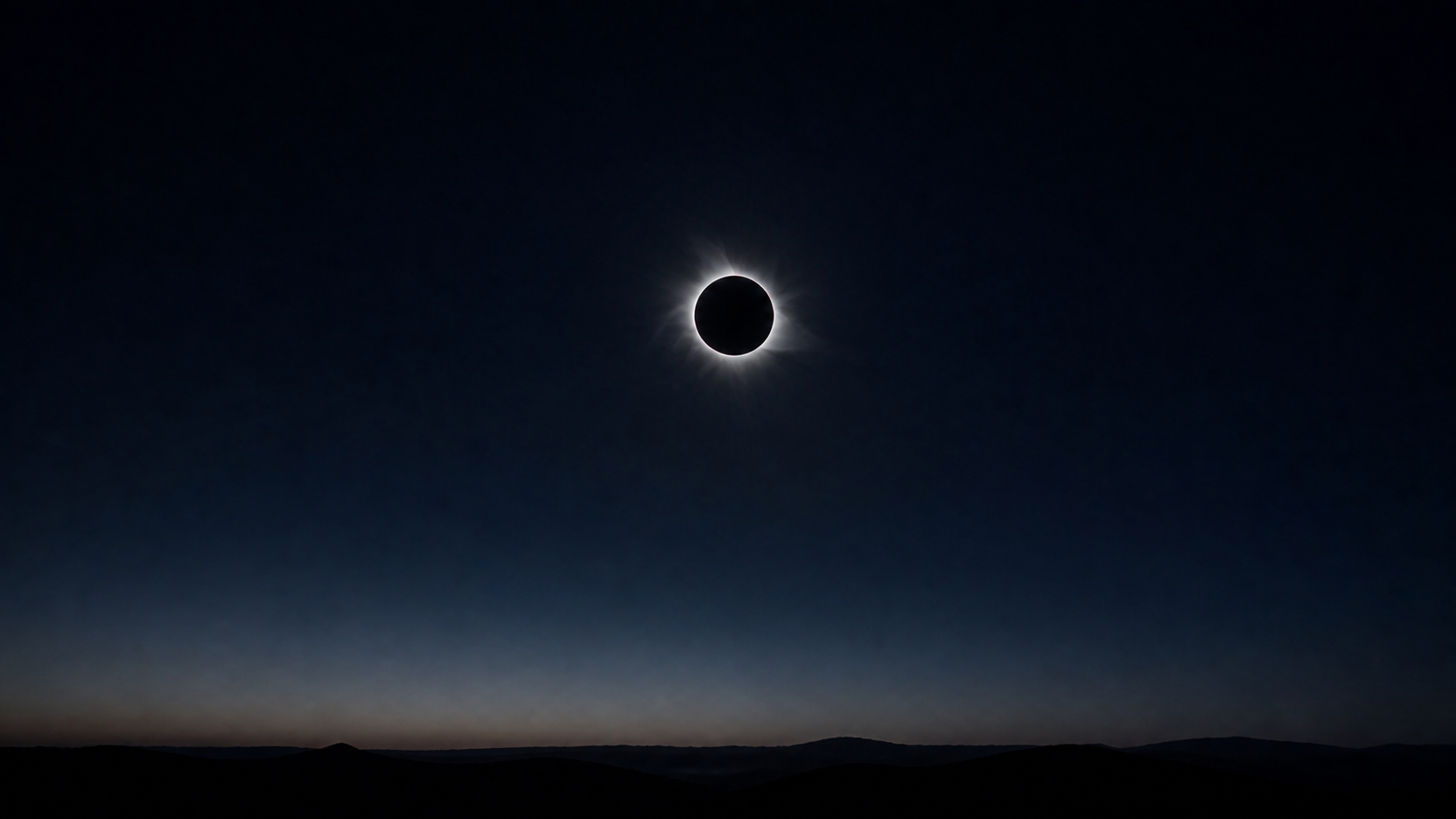
A solar eclipse on August 12 is expected to draw thousands of visitors across Portugal, but the bigger shift is the rise of astrotourism as a year-round offer that is helping drive business in the country’s inland regions. Tourism authorities and operators say demand for night-sky experiences is growing beyond one-off astronomical events.
Turismo de Portugal, the national tourism agency, told ECO that the segment remains niche but is gaining traction thanks to favourable natural conditions, including high-quality night skies, low light pollution in several interior areas and a growing network of specialised operators, accommodation providers and facilities.
The agency said astrotourism can help reduce seasonality, extend stays and support local hotels, restaurants, tour companies and shops. It has also set up a working group to help structure the offer, although it said there are still no specific national statistics measuring the segment’s weight in tourism.
The most established example is Dark Sky Alqueva in southern Portugal. Created in 2007 and recognised in 2011 as the world’s first Starlight Tourism Destination, it is now seeing average annual visitor growth of about 38%, receives tourists from more than 27 countries and estimates its annual economic impact on the region at €9.3 million. Its president, Apolónia Rodrigues, said the activity now involves more than 50 partners and has created more than 30 direct jobs.
Other projects are also expanding. Turismo de Portugal highlighted the Aldeias do Xisto network and Dark Sky Vale do Tua, both certified as Starlight Tourism Destinations. ADXTUR, the tourism development agency for the Aldeias do Xisto, said demand for astronomy-related experiences has grown steadily since the opening of the Geoscope observatory in Fajão in 2024. In Constância, the local Ciência Viva science centre, which focuses on astronomy, receives between 22,000 and 28,000 visitors a year, according to its executive director Lina Canas, who said observation activities remain the most sought-after part of its programme.
The eclipse is giving the segment another boost. Dark Sky Alqueva said its viewing session sold out in advance, the Aldeias do Xisto said around 200 places were quickly taken, and Constância expects more than 600 participants, with 400 registered as early as March. Operators also expect some visitors to stay on for the Perseids meteor shower on the night of August 12 to 13, reinforcing a broader strategy of turning a short-lived event into longer stays built around nature, culture, food and local heritage.
Originally published at Eco.pt