Flights are also becoming more expensive in Portugal. Passengers are facing fare rises of up to 20%
With the price of jet fuel having soared by 76% since the start of the war in the Middle East, airfares in Portugal are rising. Travel agencies are adopting strategies to minimise the impact.
Flight tickets are more expensive, due to the rise in aviation fuel prices following the conflict in the Middle East. The Portuguese Association of Travel Agencies (ANAV) has told ECO that, in exceptional cases, flight price increases could exceed 20%, prompting agencies to adopt various strategies to minimise the impact.
“We are already beginning to see upward pressure on airfares”, says ANAV president Miguel Quintas. According to him, “from Portugal, and over the last month, airfares have risen by an average of 4%, whilst on long-haul flights the increases have reached over 10%, and in exceptional cases can exceed 20%”.
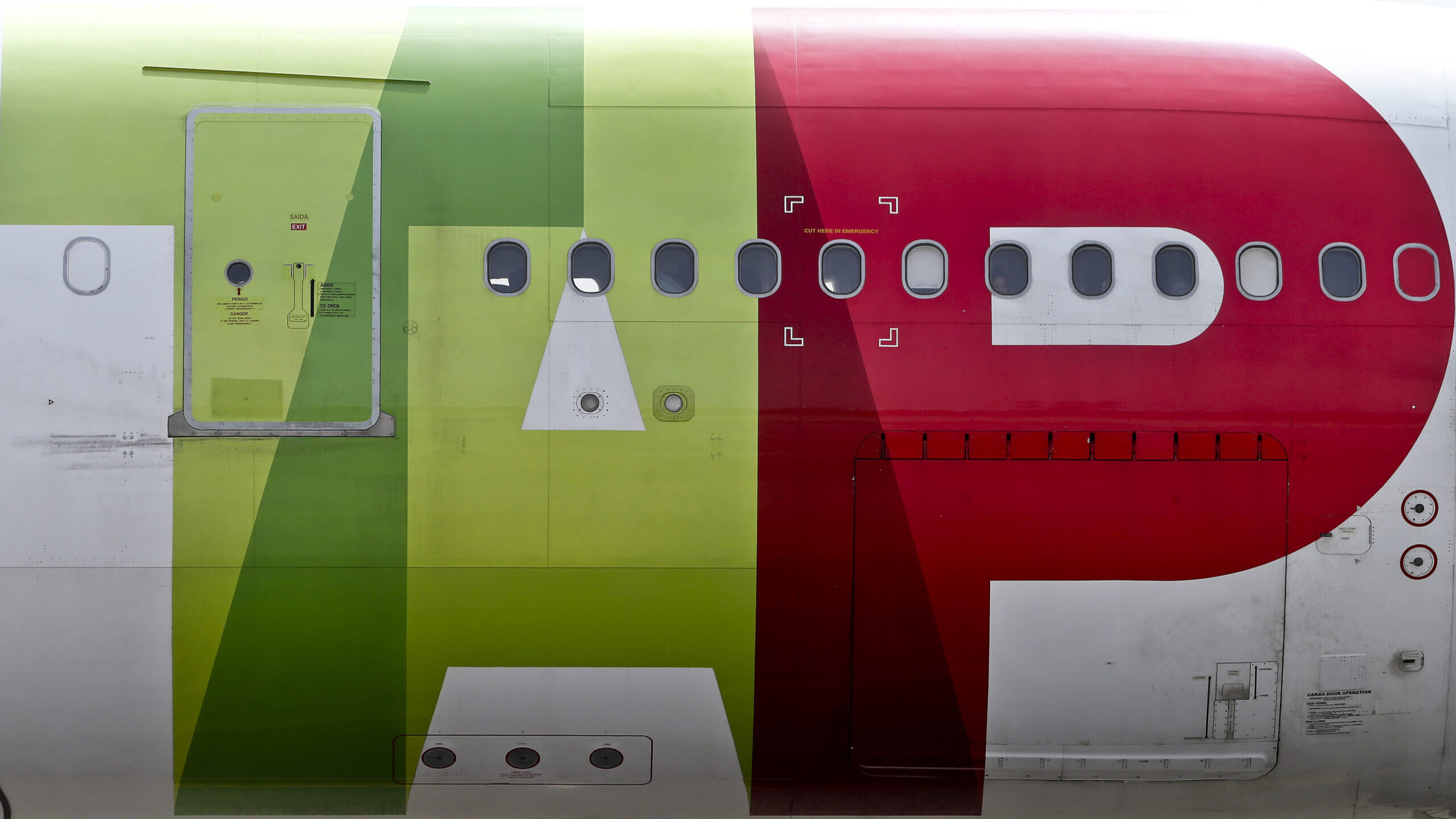
Among the airlines that have already applied fuel surcharges in Portugal are TAP, Air Europa and Air Transat, according to ANAV. However, generally speaking, the greatest impact on prices is being felt by airlines operating in the Asian market, such as Akasa Air, Cathay Pacific, Qantas, SAS and Air New Zealand.
In the last week alone, the global average price of jet fuel rose by 11%, according to the International Air Transport Association (IATA) price monitor, with “several airlines acknowledging cost increases and adjusting fares”.
“We must not forget that 20% to 30% of an airline’s cost structure is accounted for by jet fuel and that, since the start of the conflict in late February, jet fuel prices in Europe have doubled, and in Asia have risen by almost 80%, which makes some impact on fares inevitable, especially if the conflict drags on”, explains Miguel Quintas.
Last week, the IATA Director General stated that an increase in airfares is “inevitable”. “You don’t need to be a genius to deduce that the additional costs airlines will face, if the situation persists, will be far greater than they can absorb”, said Willie Walsh, head of the association, which brings together 360 carriers representing 85% of global traffic.
According to the president of ANAV, the destinations most affected by rising ticket prices are concentrated in the Middle East and Asia, including Japan, China, Thailand and South-East Asia, where there are suspensions, reductions or operational restrictions on flights to Tel Aviv, Dubai, Abu Dhabi, Doha, Beirut, Amman, Riyadh and Tehran. Miguel Quintas adds that the situation “affects not only those travelling to these destinations, but also passengers connecting to Asia, as well as connections to Africa and Oceania via the Gulf”.
At the same time, the National Association of Travel Agencies emphasises that European and Western Mediterranean destinations have benefited from diverted demand, particularly Spain — and, to a lesser extent, Portugal.
Strategies to minimise the impact
To minimise the impact of the price rises, ANAV assures us that travel agencies are adopting strategies such as “booking in advance to secure the best price, switching to alternative destinations offering better value for money, researching routes and airlines less affected by the fuel price shock, and offering greater commercial flexibility”.
“There is an increased focus on personalised customer support to find the most efficient combinations of price, stopovers, baggage allowances and change conditions”, says Miguel Quintas.
In this context, “the role of the travel agency is even more relevant, because it helps consumers navigate a market that is simultaneously more expensive, more volatile and more subject to operational changes”, he explains, at a time when professionals in the tourism sector are pointing to more moderate growth in 2026.
The president of the association representing travel agencies assures us that, for the time being, “there is no widespread drop in demand, but rather a shift in consumer behaviour”. Miguel Quintas explains that “there is greater price sensitivity, more comparison between options, and increased demand for destinations perceived as lower risk and for more cost-effective solutions”.
“In several European markets, travel agents have been reporting increasing pressure on prices for destinations such as Spain and, occasionally, Portugal, with customers trying to book early to secure prices and availability”, he adds.
Looking ahead to the upcoming Easter period, Miguel Quintas identifies two very clear trends: a lack of demand for Middle Eastern destinations and increased demand for European destinations, particularly Spain and European capitals.
“We are not facing a disappearance of tourist demand; we are facing a redistribution of demand towards regions that customers perceive as more stable at the moment”, concludes the ANAV director.