Presidential elections bring stability, but heat up the contest on the right
Socialist António José Seguro says he will not be a counterweight to the centre-right government and promises to defend stability. André Ventura, president of Chega, claims leadership of the right.
“The first poll gave us 6%”, António José Seguro recalled on his way to the campaign headquarters, as the result was already mounting. Even before the President-elect broke the record for the number of votes in a presidential election, Prime Minister Luís Montenegro came to demand “cooperation and collaboration”. The socialist said late in the evening that it would not be because of him that the legislature would not see out its term. André Ventura, for his part, could challenge stability. The populist leader of Chega clung to the percentage of votes higher than that achieved by the governing coalition in last year’s legislative elections to claim leadership of the right and say that “sooner or later, Portugal will really change”.
António José Seguro achieved a historic result. The 3.48 million votes he garnered, even with 20 parishes still to be counted — they will go to the polls next Sunday, 15 February, due to the storms that have ravaged the country in recent weeks — exceed by 22,960 votes the result achieved by Mário Soares in his re-election in 1991. In percentage terms, the founder of the Socialist Party (PS) maintains his supremacy, with 70.4%, against Seguro’s 66.8%.
The candidate supported by the PS obtained 1,727,589 more votes than in the first round, almost doubling his vote, winning over many voters from the centre and right-wing candidates who did not make it to the second round. This is a sign that António José Seguro benefited from the majority of the electorate’s rejection of André Ventura. Even so, this is a different dynamic from the one that led Mário Soares to his historic result in 1991, when he ran almost unopposed against Basílio Horta, Carlos Carvalhas and Carlos Marques.
The significant vote gives the new president political strength that will have an impact on the relationship between the palaces of São Bento and Belém. Luís Montenegro was quick to state that he expects “cooperation and collaboration” from the new head of state, the first socialist since Jorge Sampaio left office in 2006.
“I am certain, from what I know of António José Seguro, that it will not be difficult to establish a cooperative relationship between the Government and the Presidency”, said the Prime Minister, who now hopes for “three and a half years without national elections” to allow the Government’s programme to be implemented.
In his victory speech from Caldas da Rainha, the President-elect responded. “A new three-year cycle without national elections is beginning”, said Seguro, after promising “loyalty and institutional cooperation” from Belém, reiterating what he had said during the campaign.
“I will never be a counterweight, but I will be a demanding president”, he said. This demand was made clear at the beginning of his speech, when he assured that he would not accept bureaucracy that would prevent aid from reaching the victims of the storms of recent weeks: “The 2.5 billion euros must arrive now.”
The first political leader to speak on election night was the socialist José Luís Carneiro, seeking to capitalise on a result that the polls had already predicted would be robust. “It is the victory of a lifelong socialist, but above all of a President of all for all”, said the PS leader, acknowledging that António José Seguro’s electoral work was a “personal” achievement.
The PS-backed candidate reaffirmed the “independent nature” of his candidacy, despite not handing in his party card, which has “symbolic value”. “I am free, I live without ties”, he assured.
“Sooner or later, Portugal will change”
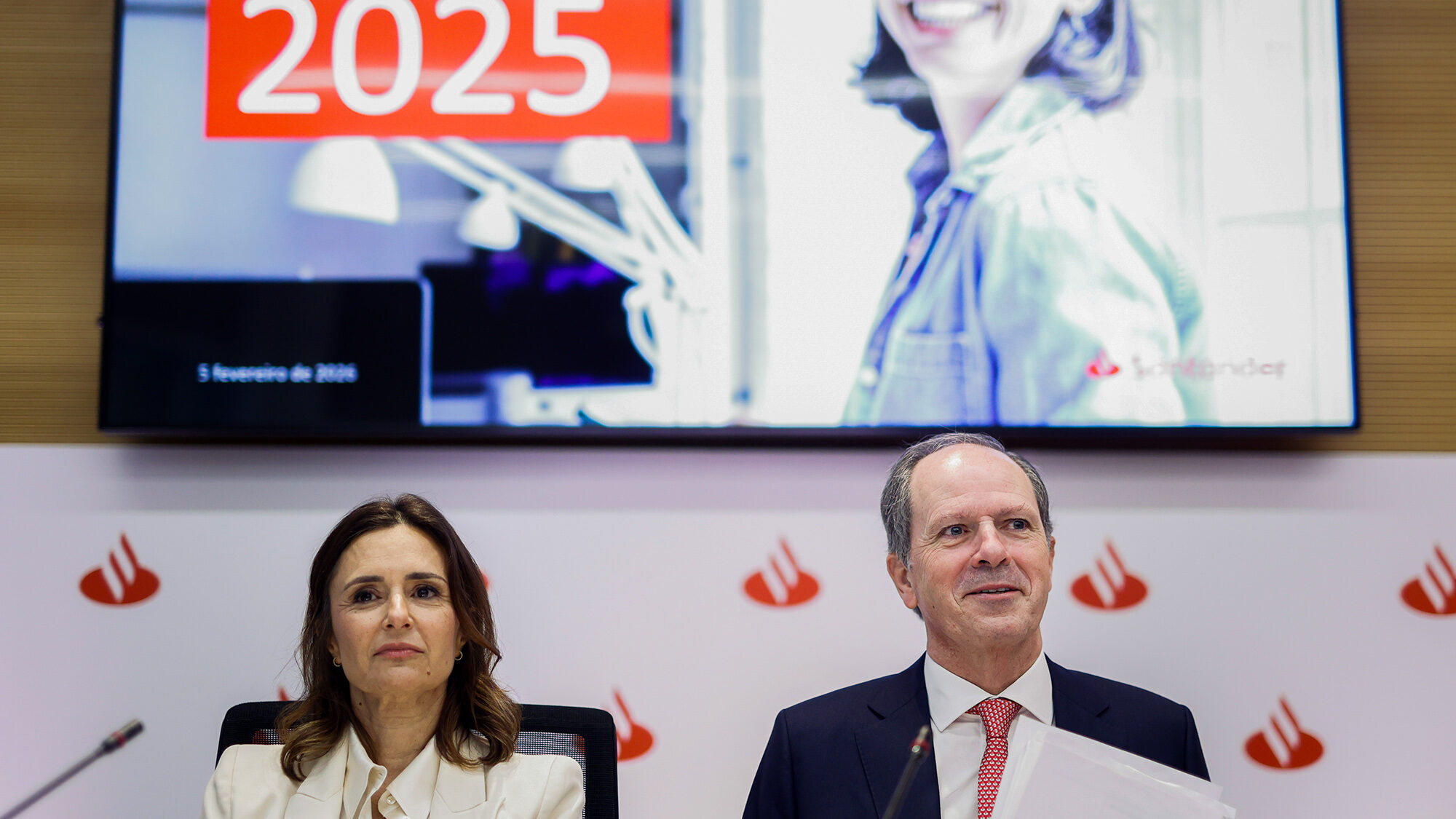
André Ventura also grew, winning 402,738 more votes than in the first round of the elections, but the atmosphere at the campaign headquarters at the Marriot Hotel was lukewarm to cold.
The Chega leader clung to the night’s possible ‘victory’: a higher percentage of votes than the Democratic Alliance (AD) in last May’s legislative elections. In a two-way presidential election, Ventura won 33.18%, up from the governing coalition’s 31.8%.
With 1.73 million votes, however, he fell short of the more than two million obtained by the coalition led by Luís Montenegro in the last legislative elections. The Chega leader also lost the two districts where he had won in the first round: Madeira and Faro.
“Even though we didn’t win, this party, this force, achieved the best result in its history”, Chega’s president emphasised in his speech. “We surpassed AD’s percentage in the last legislative elections. It is fair to say that, even though we did not win these presidential elections, the Portuguese people have put us on the path to governing Portugal.”
André Ventura makes no secret of his desire to come to power quickly. “We lead the right wing in Portugal and we will soon lead this country” and “in a month or so, sooner or later, Portugal will really change”, were taken from the night. In the event of a motion of no confidence, only the PS can stop early elections.
Abstention rose to 49.89%, slightly above the 47.74% in the first round, but below what was feared due to the impact of the storms. Blank votes rose significantly to 3.17%, driven by voters who did not want to choose any of the candidates.
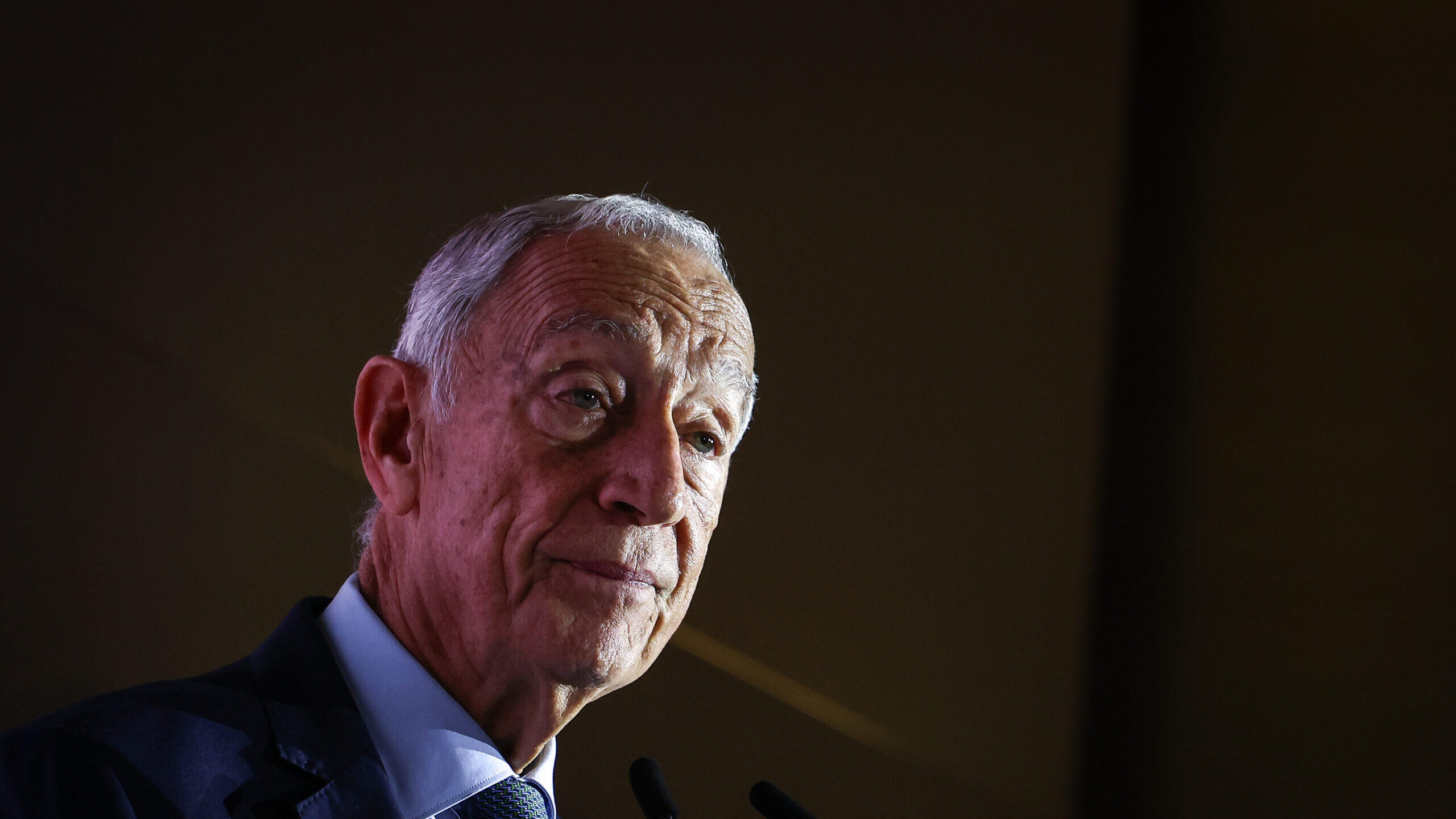
None of this, however, detracts from the result achieved by António José Seguro, who will take office on 9 March. Until then, he will have his own office at the Queluz Palace to prepare for the start of his presidency, which will have a different style from that of Marcelo Rebelo de Sousa. “The President’s word will carry weight and have consequences. I will not speak for everything and nothing.”