Portugal’s government approves the Stability Program
The government approved this Thursday the 2020-2024 Stability Program, which this year will not have projections, focusing instead on the impact of the pandemic on public accounts and the economy.
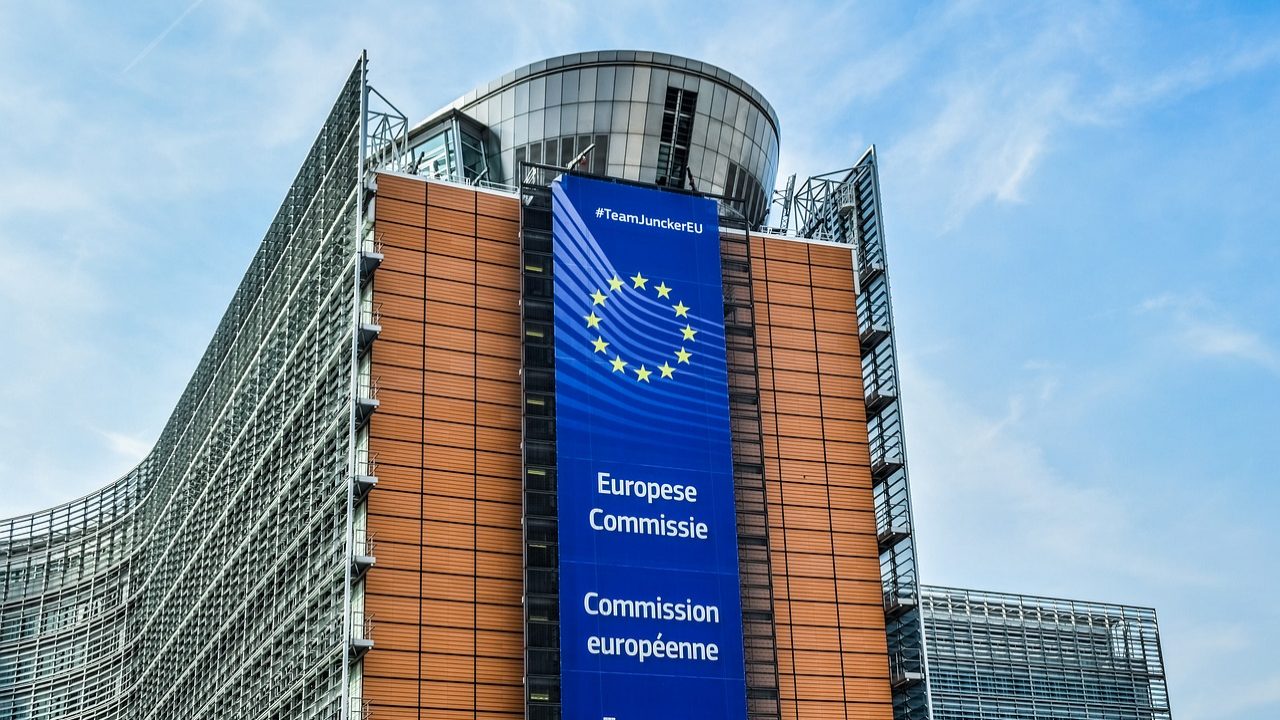
The government approved this Thursday in the Council of Ministers the Stability Programme 2020-2024, which should soon be handed over to Parliament and then the European Commission. The document will not feature a macroeconomic scenario with forecasts for GDP and the budget balance, but it will include an estimate of public spending on the pandemic in 2020.
“The Council of Ministers approved today the Stability Programme (EP) and the National Reform Programme (NRP) for 2020.” The documents will be submitted to the Parliament, under national legislation, and then forwarded to the European Commission,” says the communiqué released today.
Parliament will debate the document on May 14. The Stability Program will not be voted, but parties may table resolutions to reject its content, which will be put to a vote in plenary.
This year, the Ministry of Finance requested a postponement of the deadline for the Stability Program to be delivered to the Parliament given that under national law the document would have to be delivered by April 15, as has been customary in previous years.
With the change approved by MEPs, the Ministry of Finance had to meet the deadline given by the European Commission, which is the end of April. However, the government has articulated with the European Commission a new postponement of the Stability Program, pointing its release to May, which came to fruition this Thursday.
Last week, the Ministry of Finance justified this further postponement with “economic uncertainty caused by the pandemic situation, whose duration, magnitude and impact are still unknown”. The current situation “also makes it impossible” to produce “credible projections”, so the Stability Program that is now being delivered “will not include any macroeconomic scenario for 2020.”
However, Mário Centeno has committed himself to present forecasts in one month: “The government intends to present a macroeconomic and budgetary scenario by the end of the first semester”.
The document will not have forecasts, but it will already have an estimate for the cost of extraordinary measures adopted to fight the pandemic. “The identification and quantification of these measures is currently the most useful tool for policy coordination among member states,” argued the Ministry of Finance.