ECB. Centeno congratulates Boris Vujčić but calls for greater Portuguese representation in European regulation
The former governor of the Bank of Portugal was not selected as vice-president of the ECB, but argues that the reasons for his candidacy "remain unchanged".
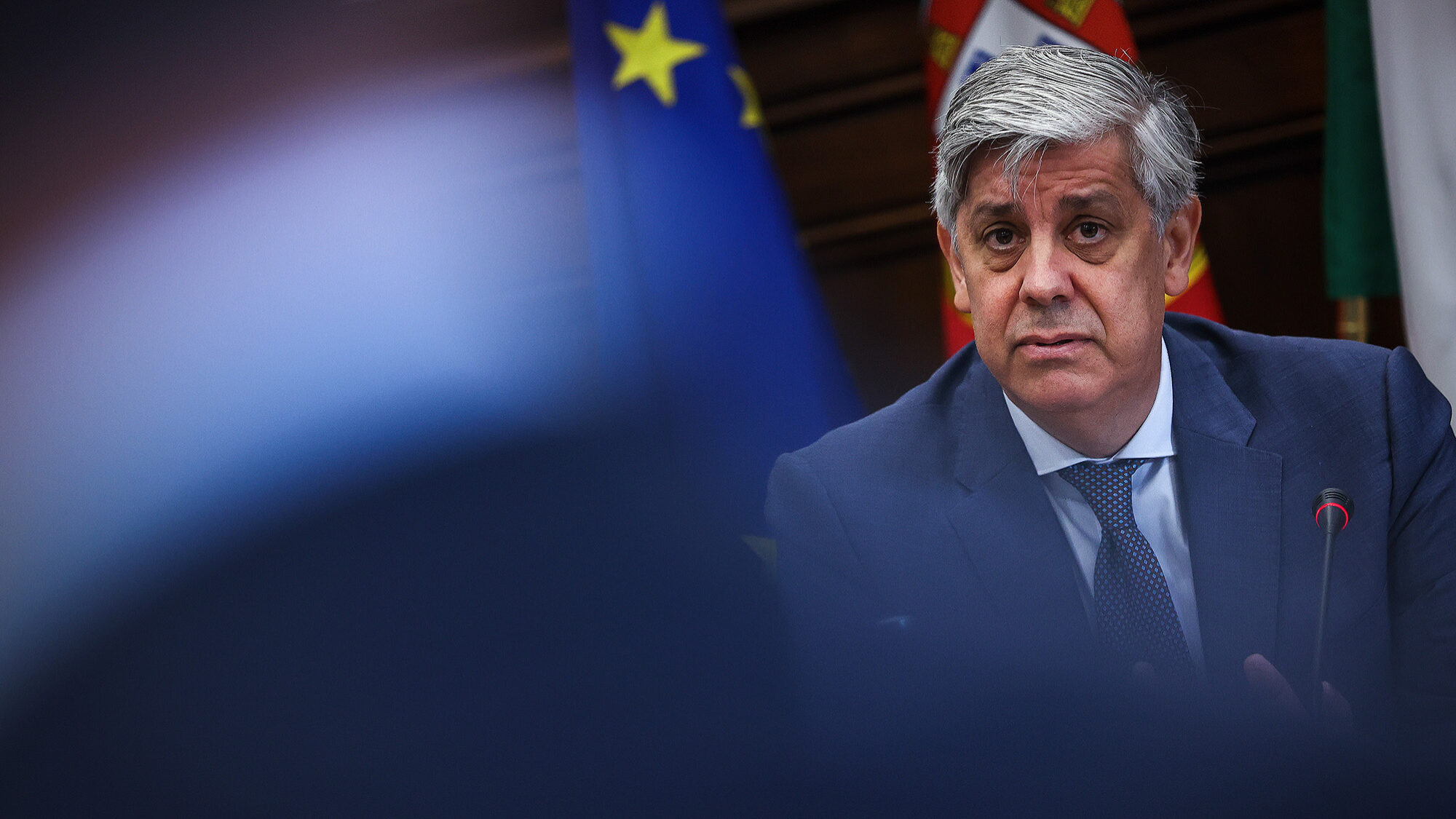
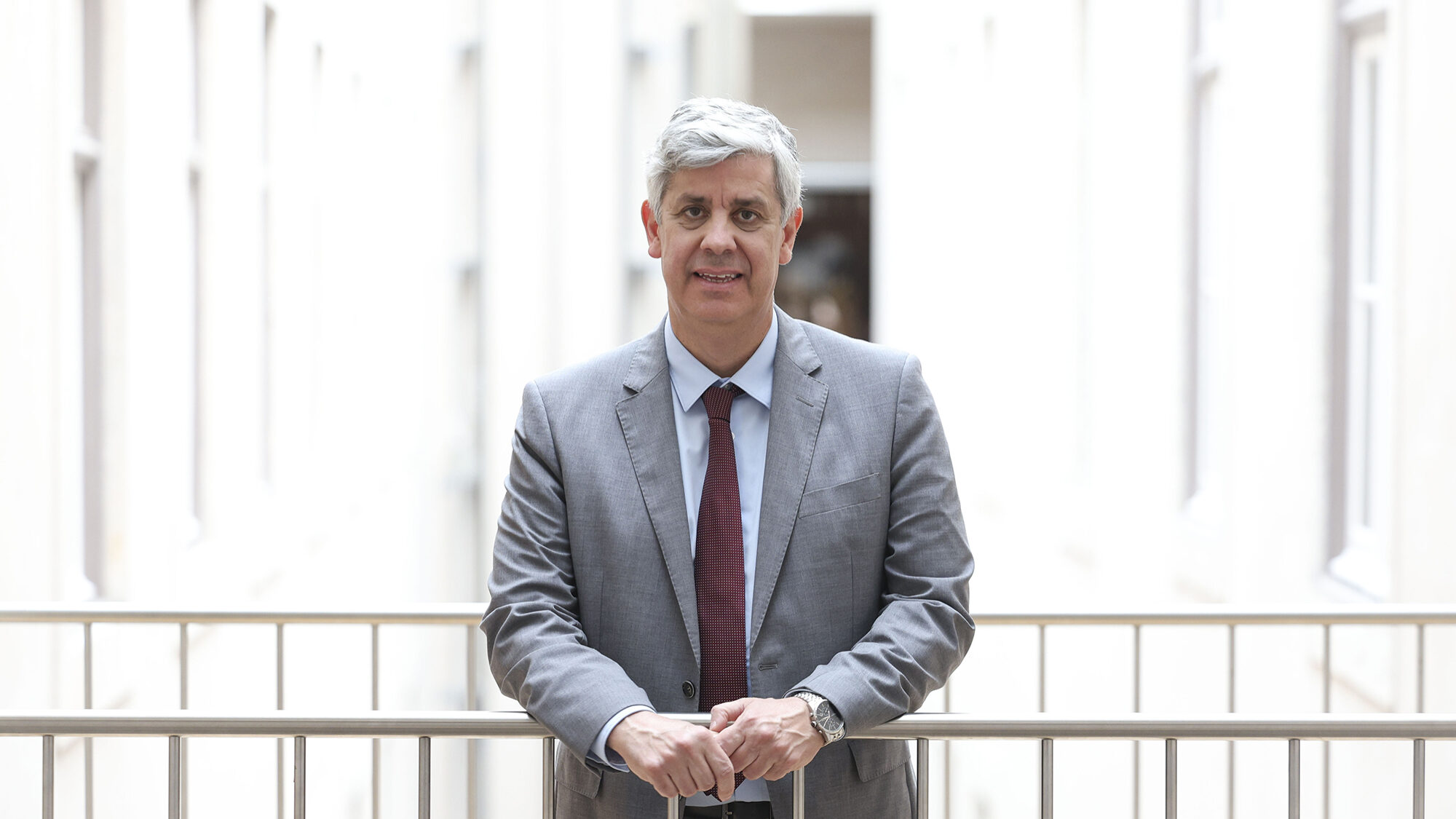
Mário Centeno reached the second of three rounds of voting in the Eurogroup on Monday, but ultimately failed to be chosen as vice-president of the European Central Bank (ECB), a contest in which he had been involved in recent months. The winner was Croatian Boris Vujčić, who faced Olli Rehn of Finland in the final round of voting. In written statements sent to ECO, the former governor of the Bank of Portugal and former finance minister congratulates the winner, but is already looking ahead, warning that Portugal must have a greater presence in the regulatory institutions of the European Union (EU).
“I would like to begin by congratulating my colleague Boris Vujčić on his election as Vice-President of the ECB. I would like to thank everyone in Portugal and Europe who took an interest in this election and helped me in the process, and there were many. I have already had the opportunity to explain the reasons for my candidacy, which remain unchanged. The support received after the hearing in the European Parliament demonstrates the reasons for the candidacy”, he argues, alluding to the fact that, among six candidates, he was one of two recommended as favourites by MEPs.
With this chapter and this possibility now closed, Mário Centeno believes that the country should strive to increase its level of representation in this type of institution. “Portugal still has no representation in European regulatory institutions, something we must work together to correct in the near future”, he concludes.
"Portugal still has no representation in European regulatory institutions, something we must work together to rectify in the near future.”
The election for the vice-presidency of the ECB took place at the Eurogroup meeting, the informal meeting of Eurozone finance ministers. The candidates were Mário Centeno (Portugal), Mārtiņš Kazāks (Latvia), Madis Müller (Estonia), Rimantas Šadžius (Lithuania), Olli Rehn (Finland) and Boris Vujčić (Croatia), who ultimately won the final round against the Finnish candidate.
In the first round, the candidates from Lithuania and Estonia withdrew, in an apparent strategy to concentrate support on the Latvian candidate; but then it was the turn of Latvia and Portugal to withdraw their candidates in the search for a consensus.
Boris Vujčić now faces an eight-year term at the Frankfurt-based monetary authority, which decides interest rates in the Eurozone.
Next year, three more high-level positions at the ECB will become vacant: Philip Lane’s term as chief economist ends in May; Christine Lagarde’s presidency ends in October; and Isabel Schnabel’s term as executive director ends in December.